The Melbourne issue
The City Written in Its Lanes: Inside Melbourne's Laneway Culture
A walk-by-walk guide to Melbourne's laneways — where to find the street art, the coffee, and the after-dark bars, and which ones actually suit your group.
By Noa VermeerMelbourne, one neighbourhood at a time
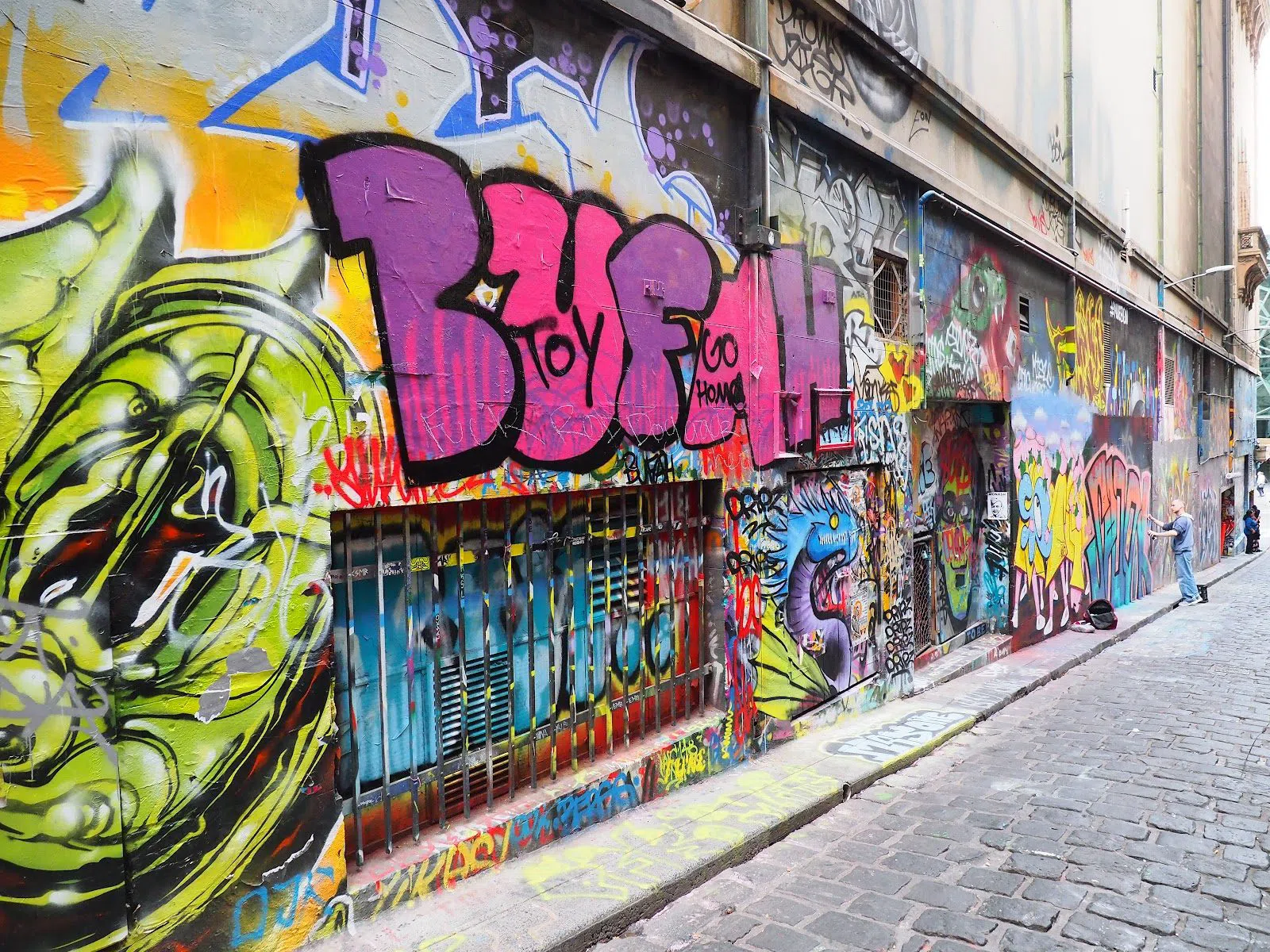
Melbourne keeps its best rooms outdoors. The city's grid is stitched together by narrow service lanes that were never meant to be destinations, and over the past two decades they have quietly become the place the city does its living — coffee at 7am, spray cans by noon, negronis after dark. What follows is a walk-by-walk route through the laneways worth your time, organised so you can plan a morning, an afternoon, and a night without doubling back.
Everything below sits inside the central grid, most of it within a ten-minute walk of Flinders Street Station and nearly all of it inside the Free Tram Zone. You can do the whole thing on foot. The order here roughly follows how a day unfolds: art first while the light is good, coffee to break it up, then the bars as the lanes empty of shoppers and fill with a different crowd.
The street-art lanes: start here, start early
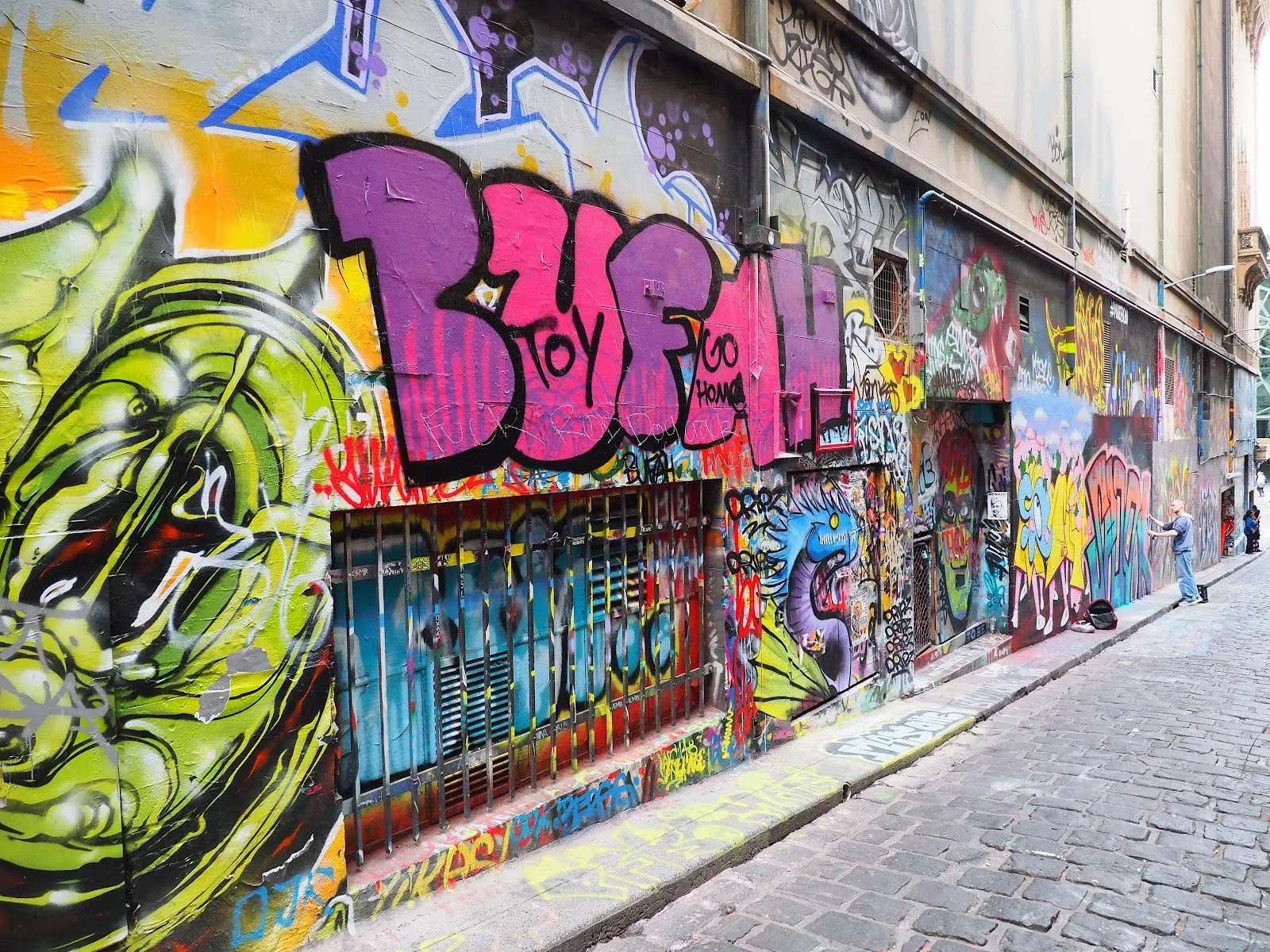
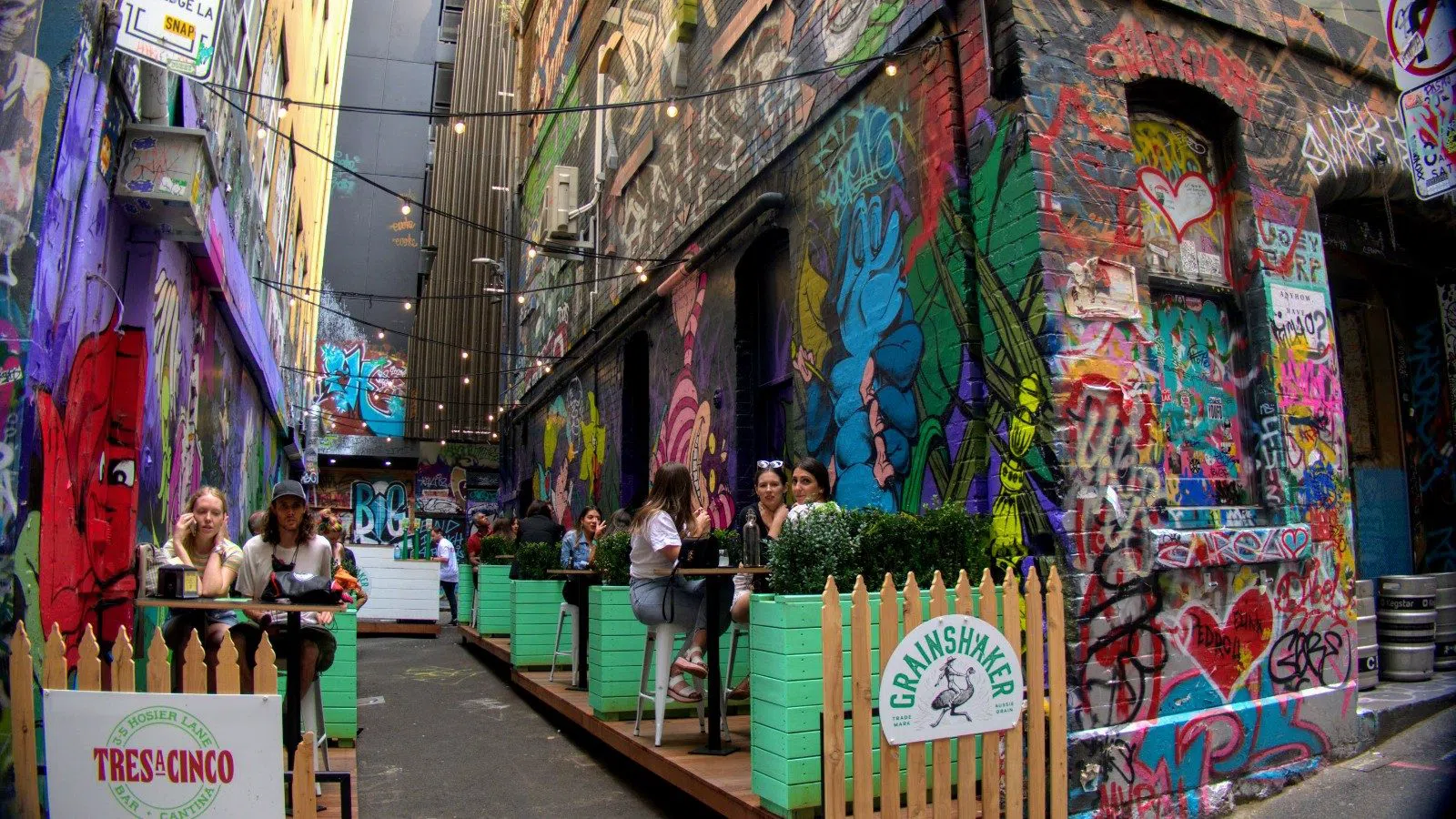
The obvious first stop is Hosier Lane (CBD, directly opposite Federation Square, a two-minute walk from Flinders Street Station). It is the most photographed laneway in the country, and the reason is simple: the walls are repainted almost daily, so the lane you see is never the lane anyone else saw. That churn is the point — come back a week later and it has changed. It is public, open-air, and free to walk at any hour, which makes it the easiest place to bring a group or run a photo crawl. The trade-off is the crowd. By mid-morning it is busy with tour groups and tripods; if you want the walls to yourself, arrive before 9am. Watch your footing on the cobbles after rain.
A four-minute walk east, off Flinders Lane, is AC/DC Lane (CBD, near the Russell Street end). It is named for the band that came up in this city, and it reads as a pilgrimage more than a photo op — smaller, grittier, quieter than Hosier, with music venues rather than tour buses setting the tone. It is a good counterweight if the crush at Hosier has worn you down. The lane itself is free and open to all; the bars along it each set their own door policy, so check before you commit a group to a night here.
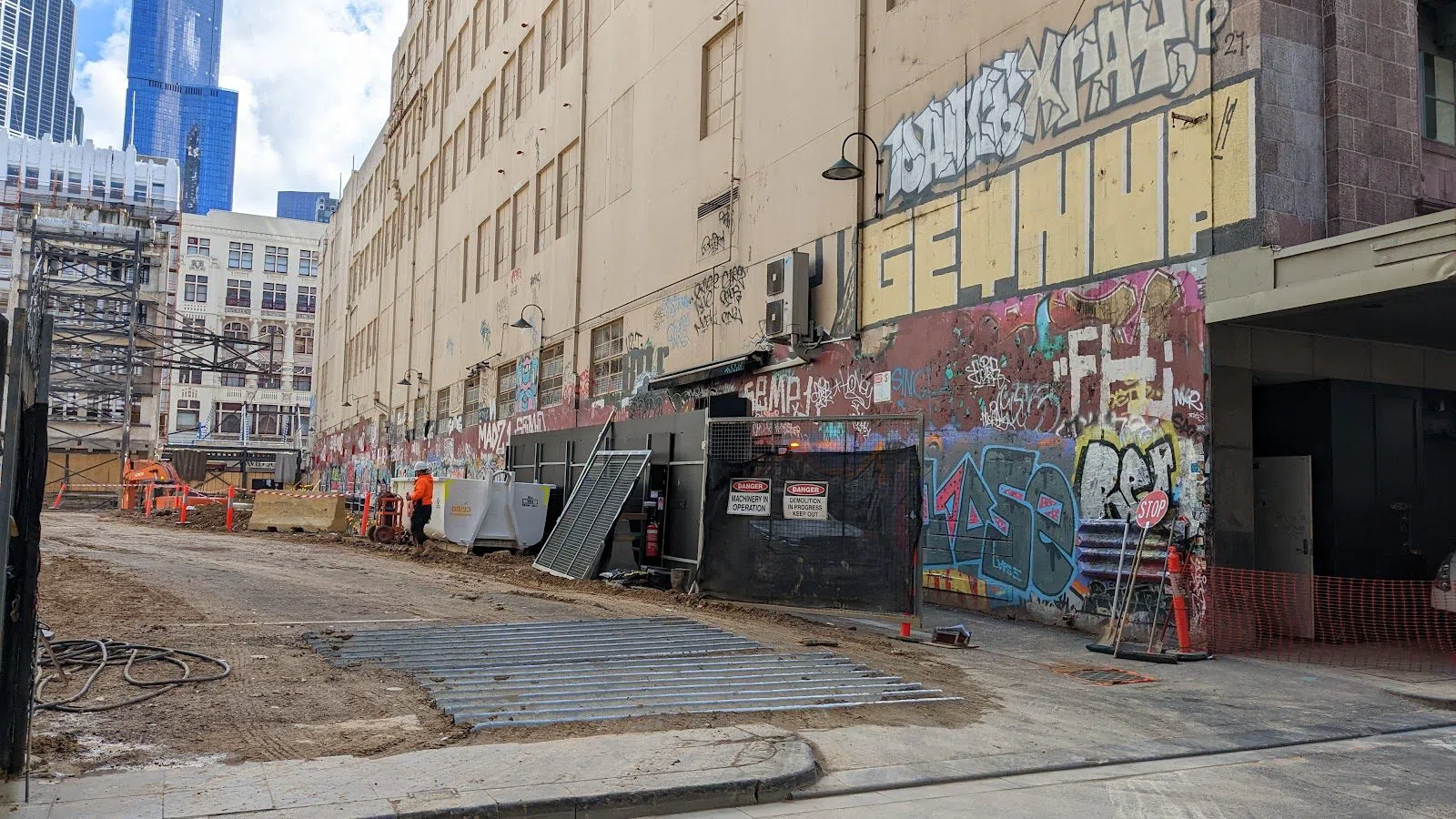
Head north toward the Bourke Street Mall and you reach Union Lane (CBD, running between Bourke Street Mall and Little Collins Street). This is a legally sanctioned graffiti corridor — a working thoroughfare where the paint is permitted rather than furtive — and it rewards a slow wander for the sheer density of work layered along its length. Shoppers pass through it constantly, so a group moves through easily without blocking anyone. It is a two-minute detour off the Mall's tram stop and worth the pause.
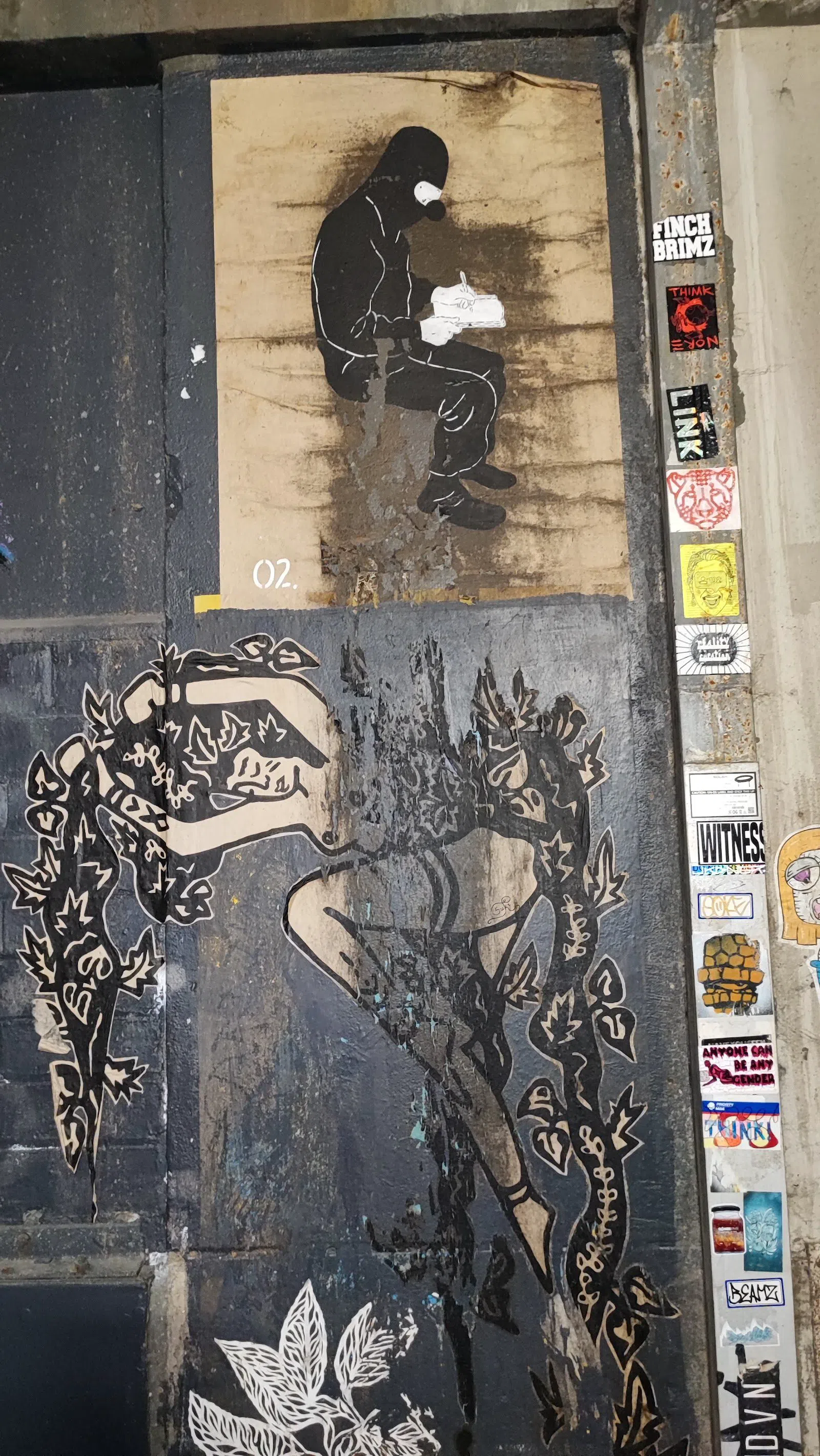
The outlier in this group is Presgrave Place (CBD, tucked off Howey Place near Little Collins Street). Skip it if you only want spray paint; seek it out if you want something stranger. Instead of graffiti, its walls carry framed pictures, small oddities, and gallery-style curios hung as if the lane were a corridor in someone's house. It is narrow and intimate — fine for two or three people, genuinely tight for a large group. It also holds one of the city's more precise cocktail rooms at its end, which we come back to below.
Plan your Melbourne trip
Live prices from our booking partners.
Free cancellation on many rooms. We may earn a commission when you book.
The coffee lanes: where the city's caffeine cliché is actually earned
Melbourne's reputation for coffee gets tested most in Degraves Street (CBD, running south off Flinders Lane toward the station underpass). It is the most photographed café lane in the city and the cliché of its coffee culture done properly — a tight double row of tables, awnings, and roasters that has been doing this longer than the reputation. Many venues seat groups, but at peak brunch you will do better to book or to split a large party across two or three tables rather than hold out for one. Arrive before the 9-to-11 rush and you get the lane closer to how the locals use it. It is a ninety-second walk from the Flinders Street Station tram stops.
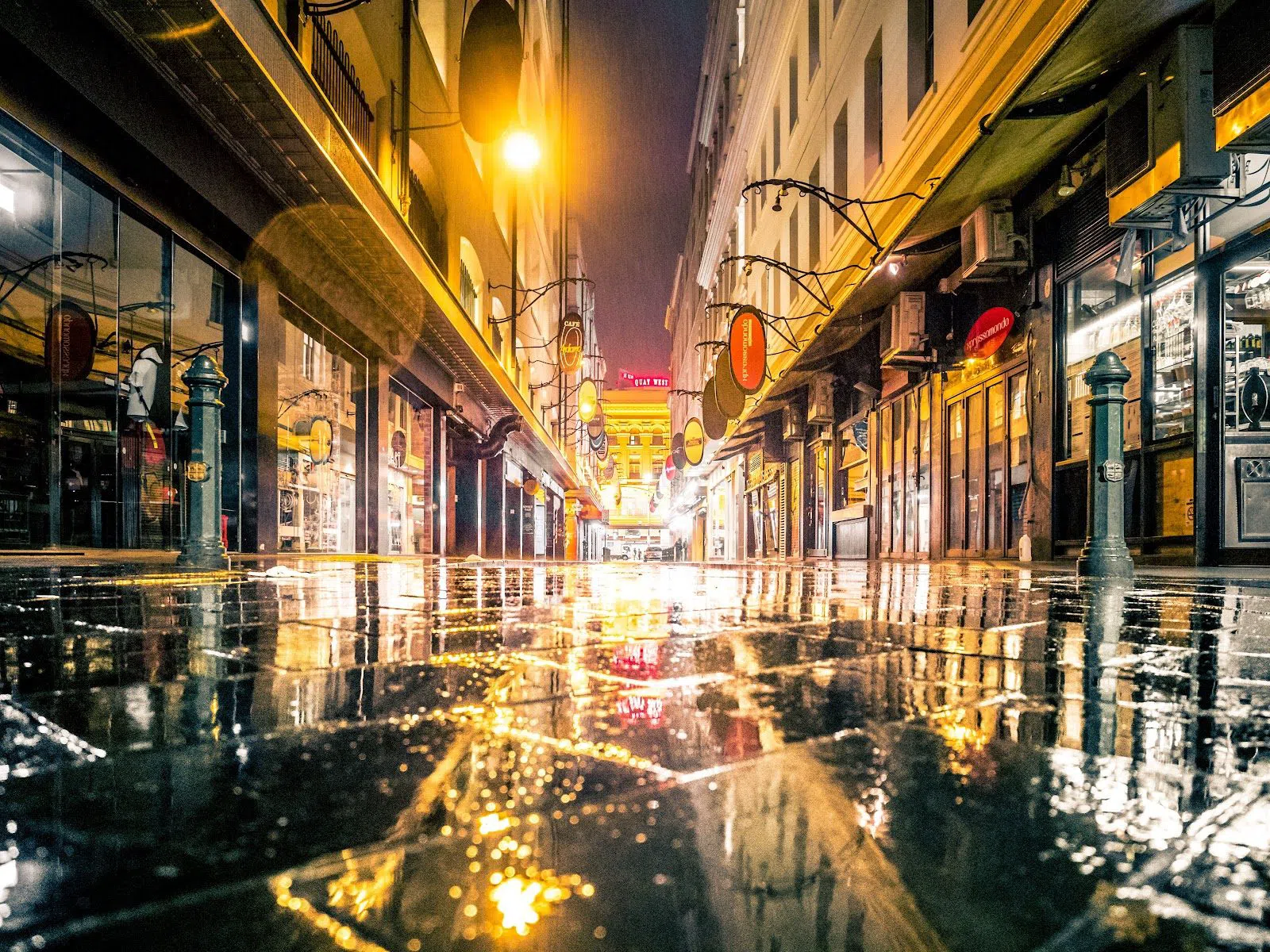
Directly next door, connecting Flinders Lane to Collins Street, is Centre Place (CBD, one block from Degraves). This is the lane the tourism ads are shot in — a thin run of small venues, hole-in-the-wall counters, and graffiti overhead. It is built for grazing: a coffee here, a bite there, standing or perched rather than seated. That makes it awkward for one large group wanting a single table, but ideal to pair with Degraves next door for a two-lane coffee crawl on the same short walk.
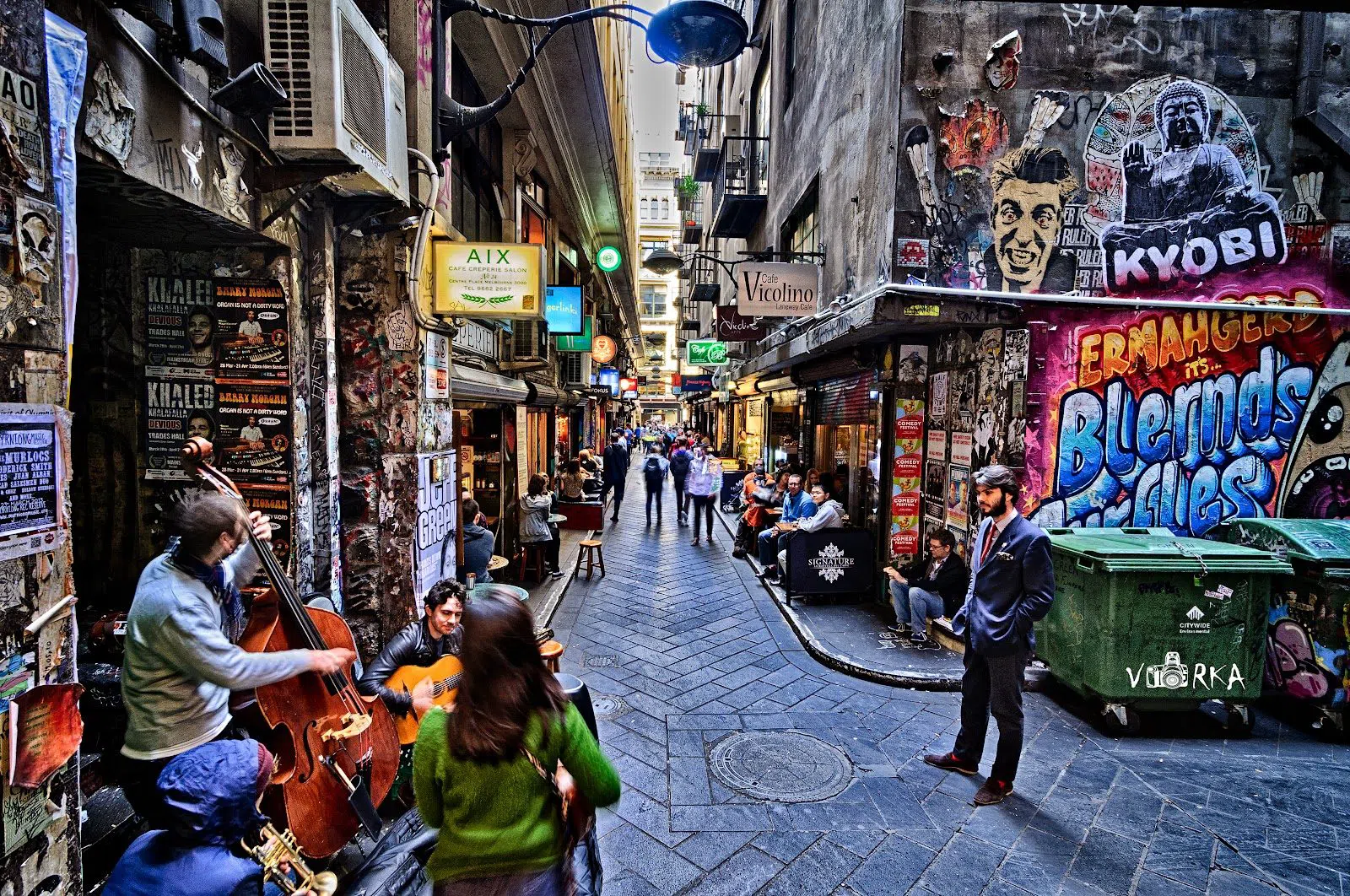
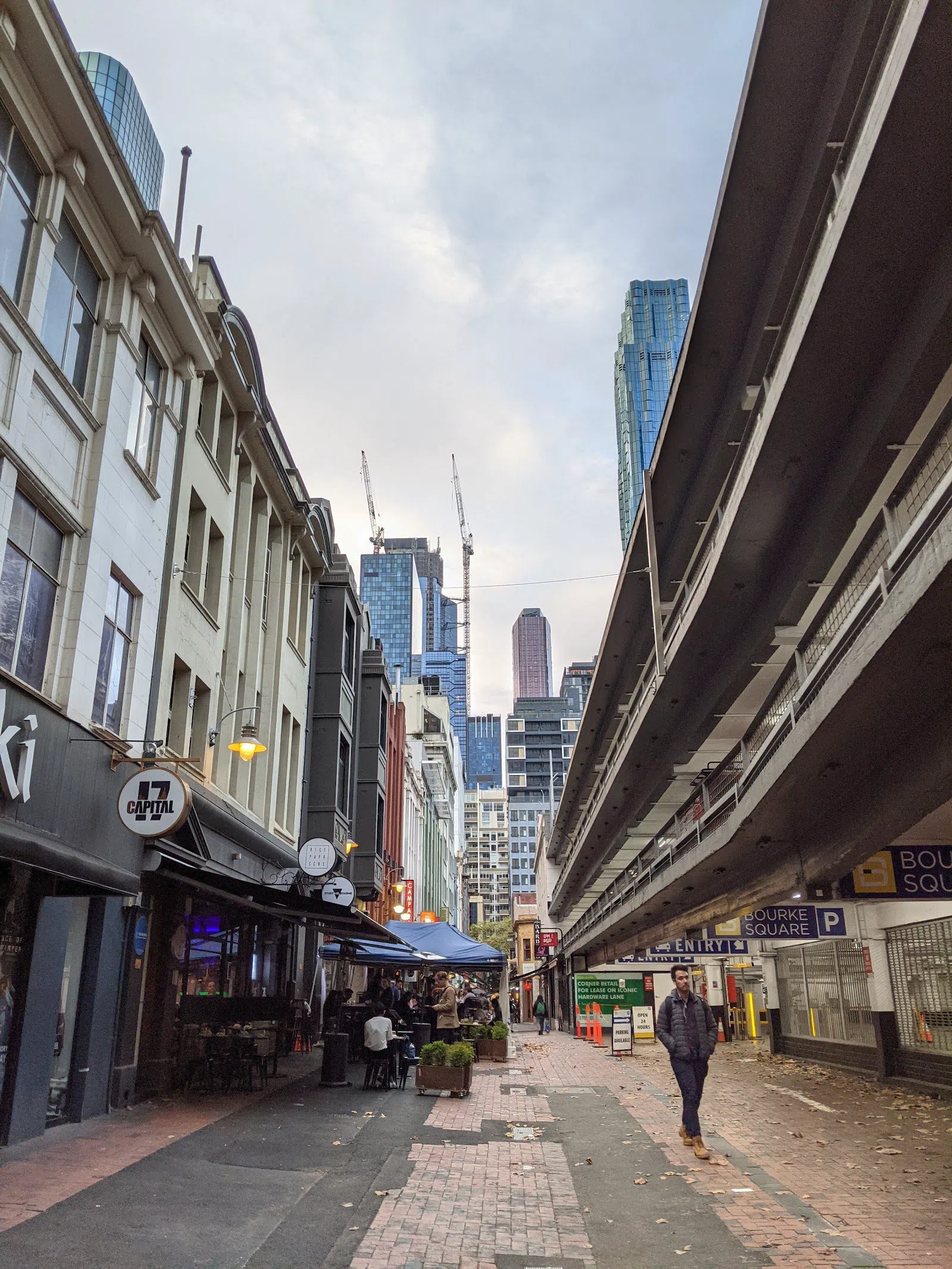
For lunch rather than coffee, walk five minutes north to Hardware Lane (CBD, off Little Bourke Street). This is the city's European-style al-fresco dining lane, purpose-built for long tables under the open sky, and it is the most group-friendly entry in this guide. Waiters work the pavement, the tables are big, and a party of eight is a normal booking rather than a problem. It is touristy and it knows it, but it is genuinely lively, and mains land in the $25–45 range. Book ahead in summer, when the outdoor tables go first.
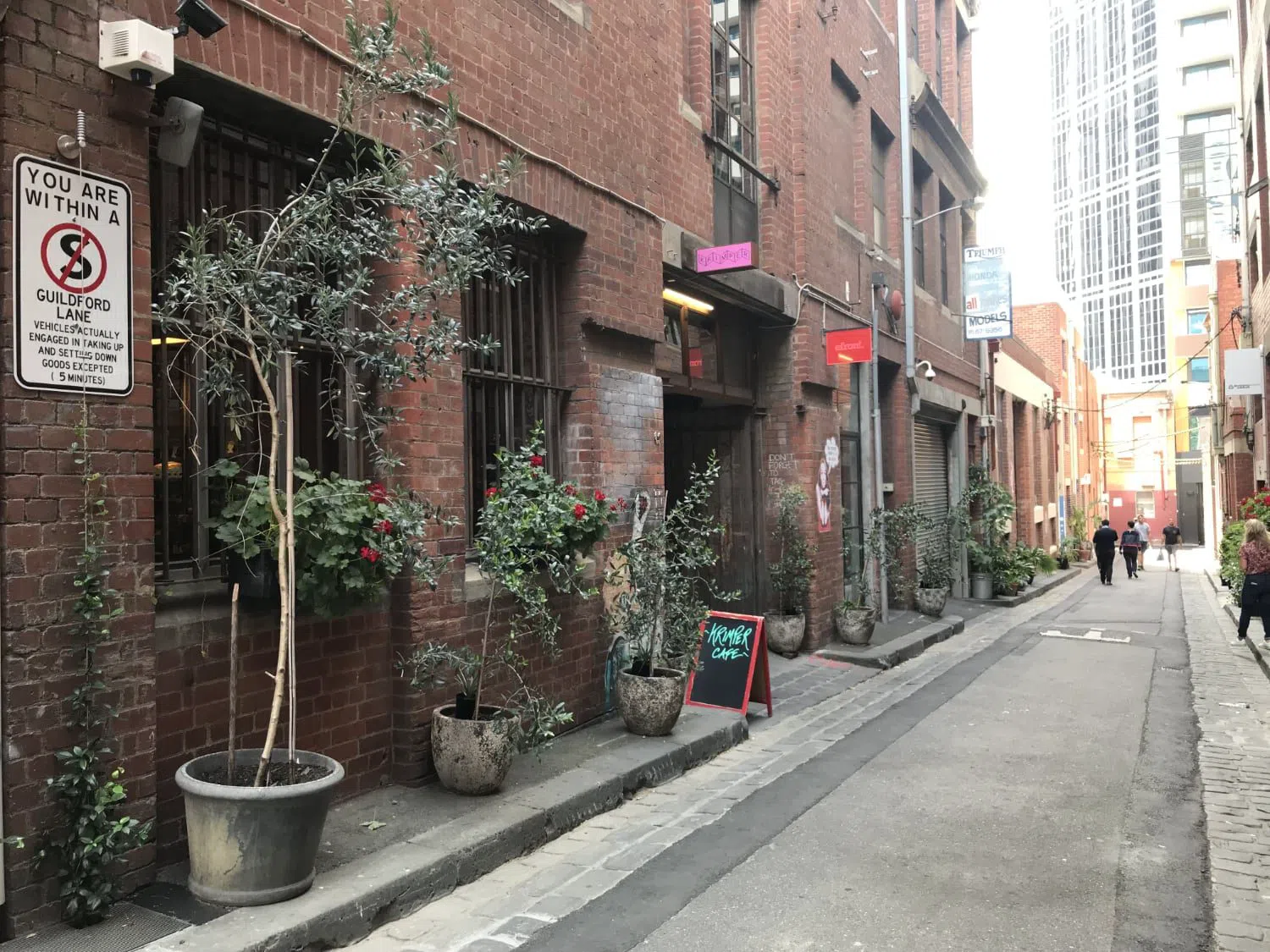
The quiet counterpoint to all of the above is Guildford Lane (Krimper) (CBD, toward the north end of the grid near the Queen Victoria Market side). The lane is leafy and calm — plants, brick, and warehouse conversions rather than crowds — and the café inside a converted warehouse seats groups comfortably without the queue-and-jostle of Degraves. Brunch runs roughly $6–28. If the graffiti lanes have left you wanting somewhere to actually sit and hear each other, this is the walk to make. It is a slightly longer stroll from the station end of the grid, but the trams up Elizabeth Street put you close.
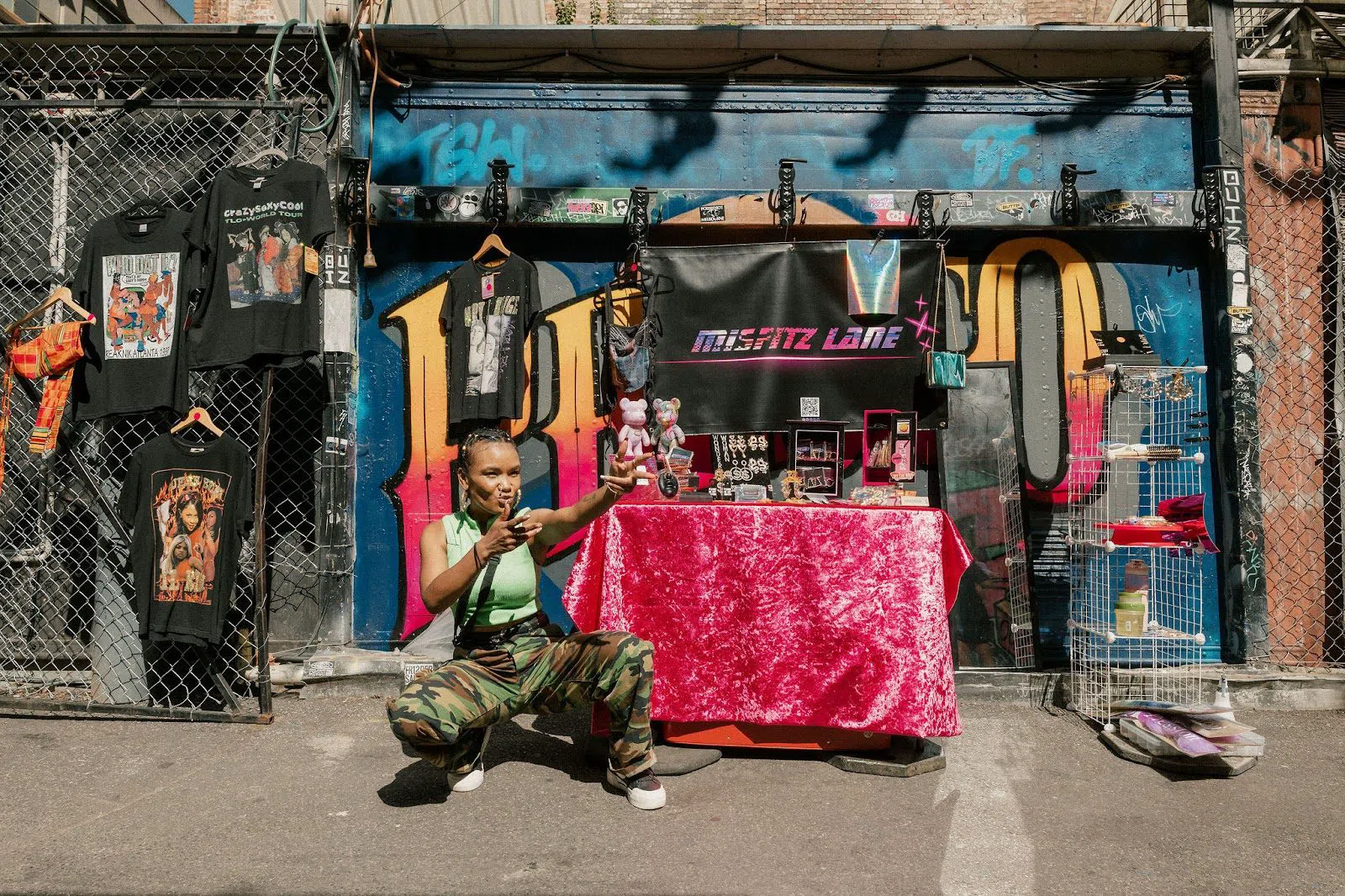
After dark: the bars, and who each one is for
The lanes change character once the shops close. The best of the bar scene sits around Chinatown, a compact cluster you can walk between in a few minutes.
Start at Section 8 (CBD, on Tattersalls Lane in Chinatown). It is the city's original outdoor container bar, open since 2006, and it has defined the casual end of laneway drinking ever since — a fenced open-air yard, crates for seats, no strict door, drinks in the $12–20 range. It is very group-friendly: relaxed and easy early in the evening, then busy and loud once the weekend DJs start. If you want somewhere a large party can just turn up and land, this is it. Come early if you want to talk; come late if you want the buzz.
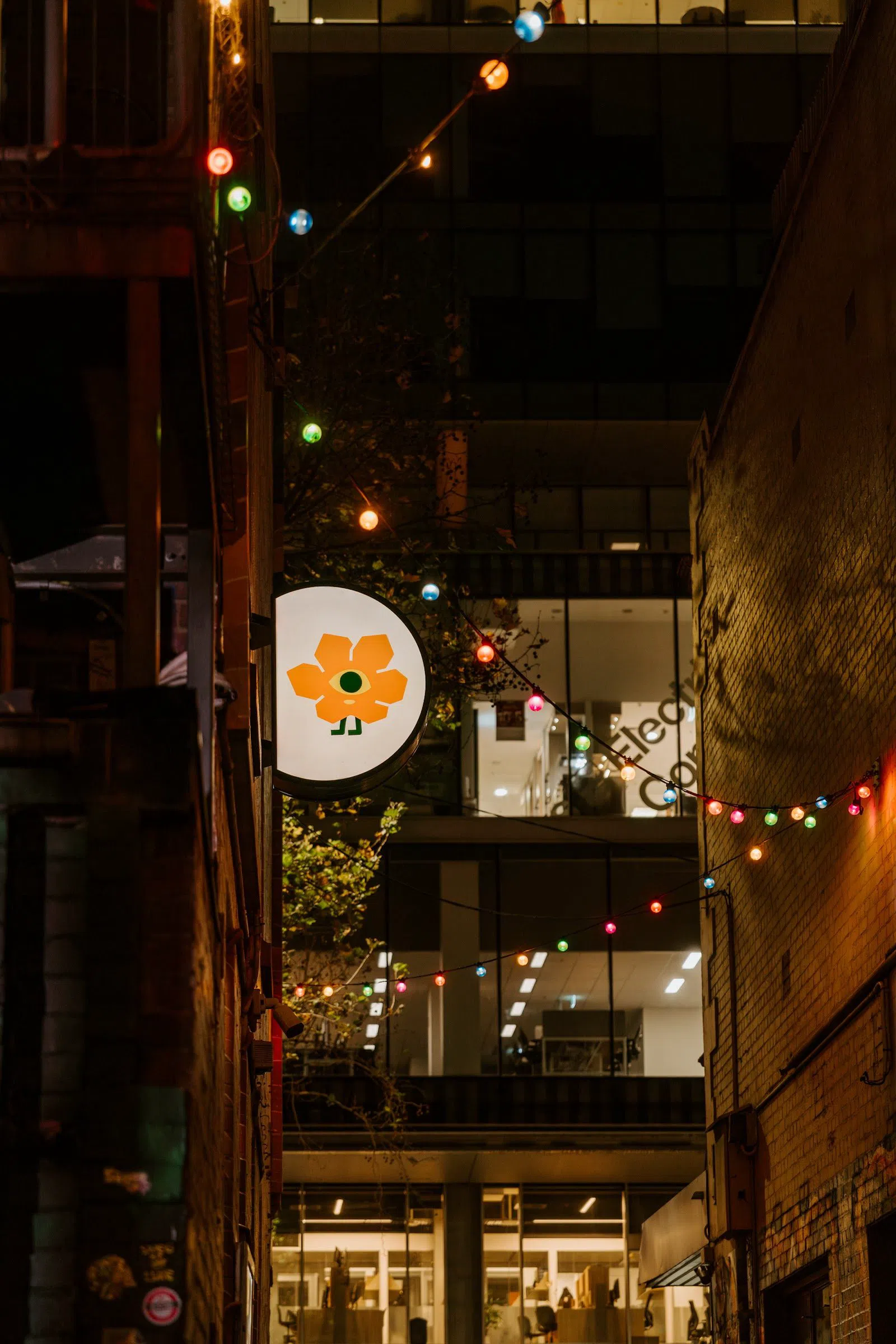
A few steps along the same Chinatown pocket is Aster Cocktail & Wine (CBD, Tattersalls Lane, in the former Ferdydurke space). It opened in 2024 under the same team, reworked from live-gig room to a grown-up cocktail and wine bar with DJs. Cocktails run $22–26, and the room suits a small group out for drinks or a date night rather than a big loud crowd. Use the current name — Aster — when you book; the old signage and old listings can still confuse a search.
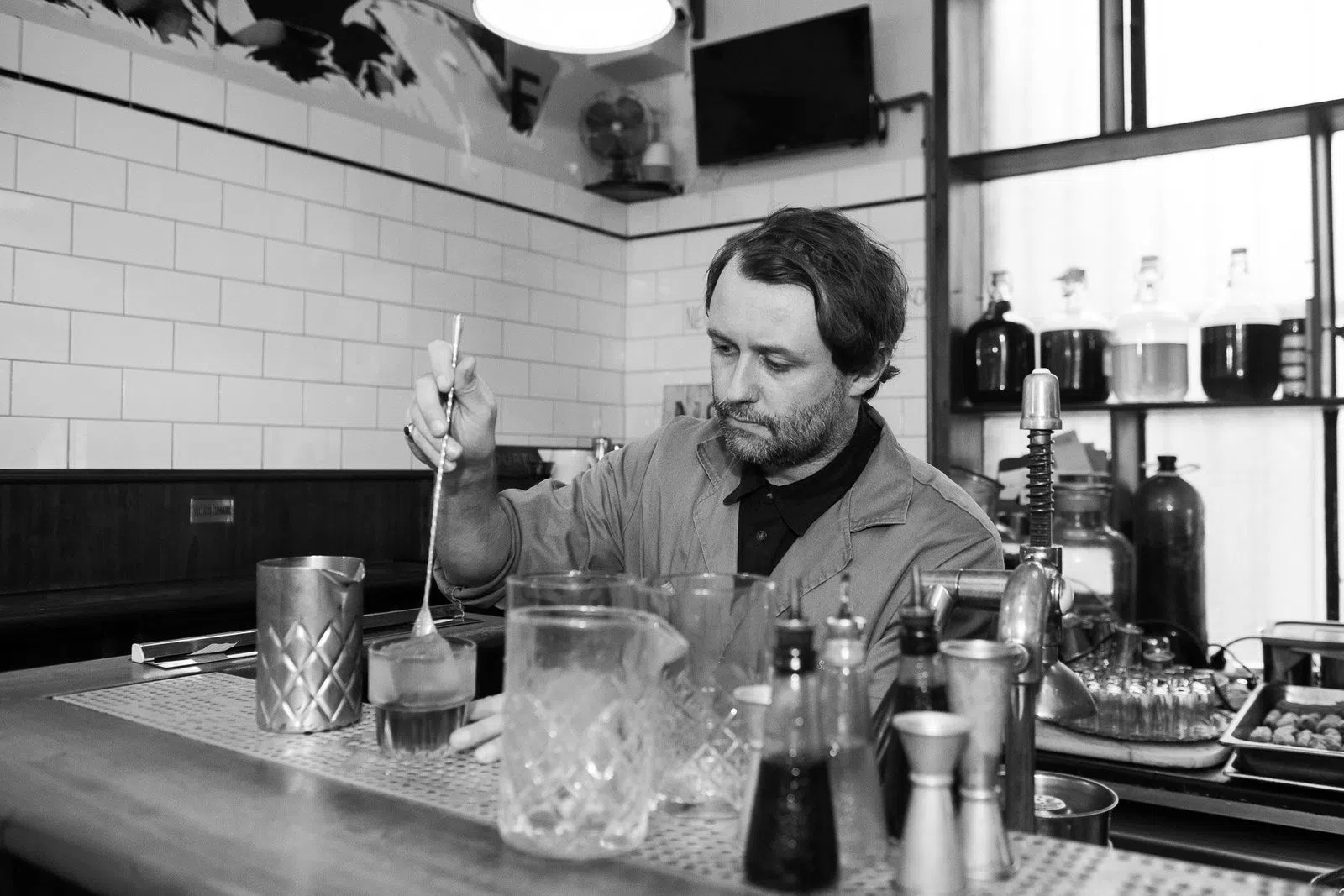
Back toward the Presgrave Place end of the grid is Bar Americano (CBD, at one end of Presgrave Place off Howey Place). This is the precise opposite of Section 8, and you should treat it that way. It is the country's first standing-room-only bar — a tiled box holding around ten people, standing only, built around the classic Italian aperitivo. It is exact, small, and made for a couple or a solo negroni, not a group. Cocktails start around $25 and the capacity is the whole catch: if there is a queue, there is genuinely no room. Go for the ritual, not the night out.
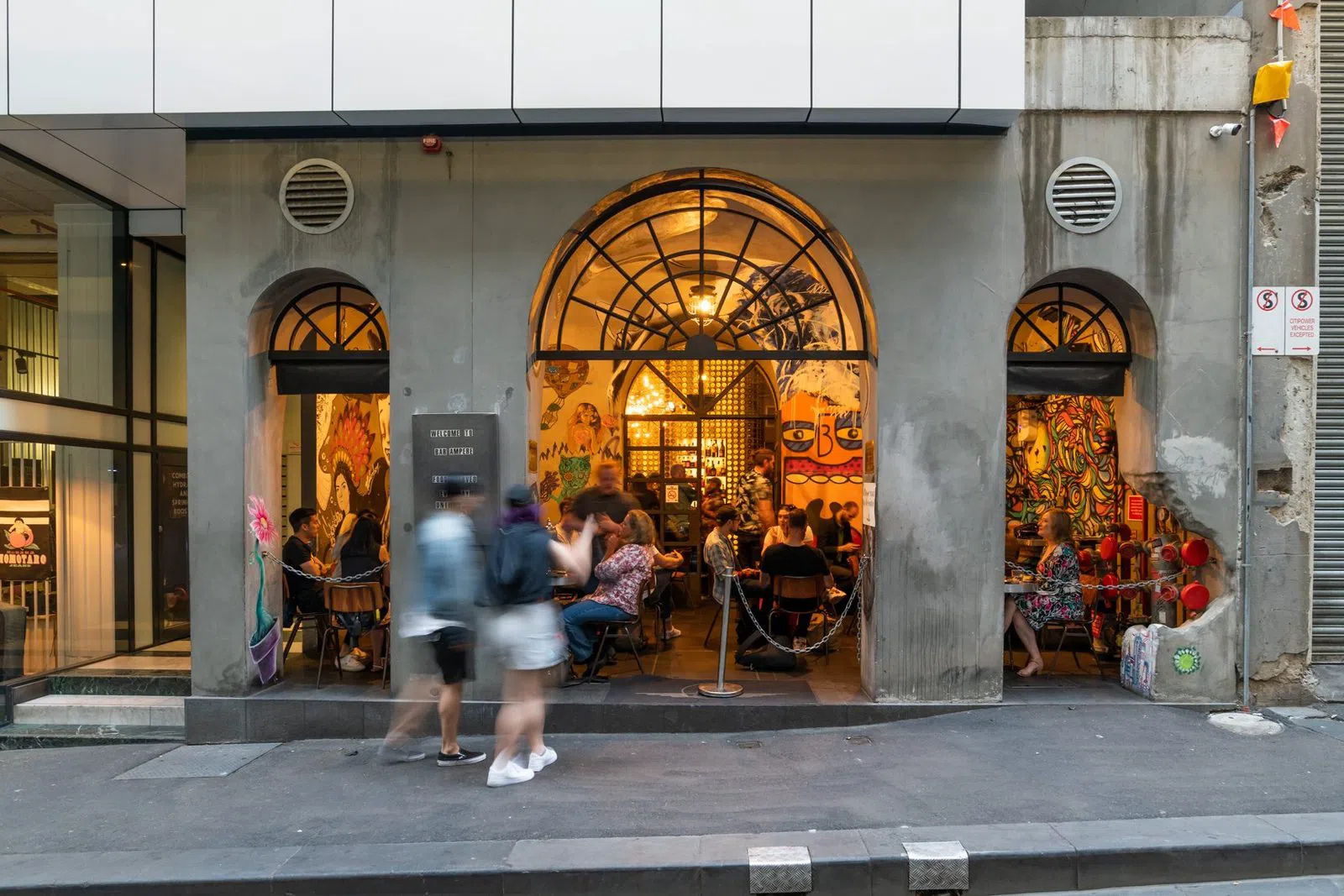
Tucked behind Chinatown, in a genuine old electrical substation, is Bar Ampère (CBD, off Little Bourke Street). It leans French — a late-night wine and absinthe room, characterful and dim, with wine by the glass at $12–18 and cocktails from $20. Small groups are fine here for drinks and aperitivo; it is intimate rather than cavernous, so a party of a dozen will feel like it has taken the place over. It suits a late, slow finish more than a loud start.
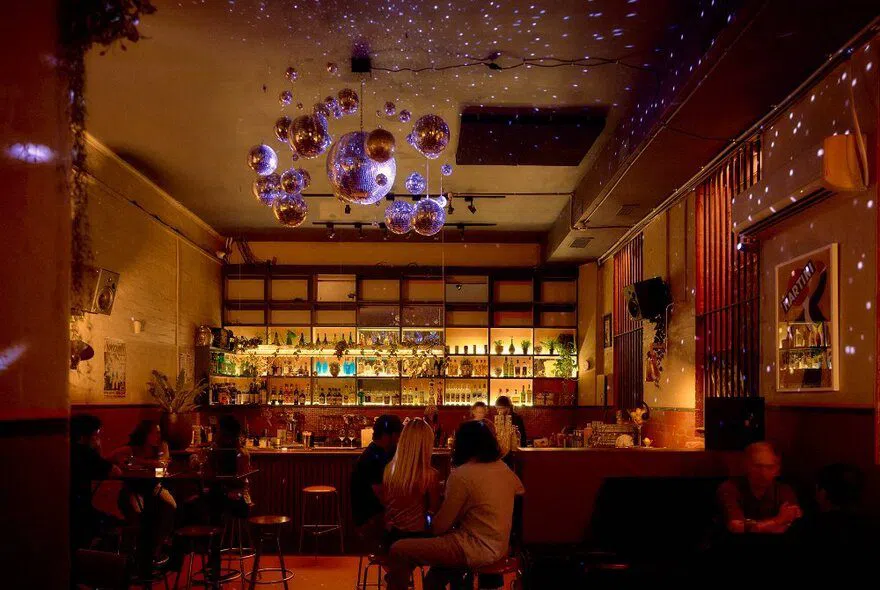
For the actual end of the night, there is Solace (CBD, down one of Chinatown's alleys, in the former Croft Institute space). It opened in January 2025 as a techno and house club — a 3am license, ticketed events on big nights, and door queues when the line-up is good. It is group-friendly for a proper night out, but check what is on and buy ahead, because the busy nights sell and the door slows. Use the current name; the space it replaced has closed. Drinks sit in the $12–20 range.
How to string it together
A clean route: Hosier Lane and AC/DC Lane while the light is good, coffee in Degraves Street and Centre Place, Union Lane and Presgrave Place on the walk north, lunch in Hardware Lane or a quieter sit-down at Guildford Lane, then the Chinatown bars from Section 8 through to Solace as the evening turns over. It is all walkable, and it all falls inside the central grid.
If you want to base yourself close to the lanes, a search of central options is the easiest way to compare — see the Melbourne hotel search, and for the wider picture of the city beyond the laneways, the Melbourne guide covers the rest.
Practical notes
Getting around. Nearly everything here sits inside the Free Tram Zone, which covers the central grid — trams within it cost nothing, so you can hop between the Flinders Street and Bourke Street Mall stops without a fare. Beyond the zone you need a Myki card, tapped on and off. But honestly, this whole route is better walked: the lanes are two to ten minutes apart on foot, and half of them don't touch a tram line.
Cash and cards. Cards work almost everywhere, including the smallest coffee counters, and contactless is the norm. Carry a little cash only as a backstop for a busy bar or a market stall; you rarely need it.
Timing. The street-art lanes are best before 9am, when the walls are yours and the light is clean. Coffee lanes peak between 9 and 11 — arrive either side of that for a table. The Chinatown bars build through the evening: Section 8 and the wine rooms early, the club end after midnight. Weekends bring DJs, crowds, and door queues; a weeknight is quieter across the board.
Budget. A coffee-and-brunch morning runs roughly $5–28 a head. Al-fresco lunch on Hardware Lane sits at $25–45 for a main. Drinks range widely — $12–20 for the casual bars, $22–26 for cocktails at the wine rooms, and $25-plus at the standing-room bar. The street art, of course, costs nothing at all, which is the quiet argument for building your day around it.
One honest caveat. The lanes are public and unstaged, which is their appeal and their unpredictability. Walls get painted over, a bar changes its name, a good night at a club is a slow night at the door. Treat the route as a frame, not a timetable, and let each lane be whatever it is on the day you walk it.
Before you go
Which Melbourne laneway is best for street art?
Hosier Lane, opposite Federation Square, is the most photographed and its walls are repainted almost daily, so it looks different on every visit. AC/DC Lane and the legally sanctioned Union Lane are strong follow-ons, and Presgrave Place offers framed, gallery-style art instead of graffiti. All are free and open-air; arrive at Hosier before 9am to beat the crowds.
Are Melbourne's laneways free to visit?
The laneways themselves are public and free to walk at any hour — Hosier Lane, AC/DC Lane, Union Lane and Presgrave Place cost nothing. You only pay at the cafés and bars along them. Most sit inside the Free Tram Zone, so getting between them by tram in the central grid is also free.
Where should I get coffee in the Melbourne laneways?
Degraves Street is the classic café lane and best before the 9-to-11 rush; pair it with Centre Place next door for a two-lane crawl. For a sit-down group meal, Hardware Lane has big al-fresco tables, and Guildford Lane's warehouse café (Krimper) is the calmer, leafier option away from the crowds.
Which laneway bars suit groups, and which suit couples?
For groups, Section 8 is a casual open-air container bar with no strict door, and Hardware Lane seats large parties for dinner. Solace works for a club night if you book ahead. For couples, Bar Americano holds only about ten people standing, and Bar Ampère and Aster are intimate rather than cavernous.
How do I get around Melbourne's laneways?
Walk. Nearly all the lanes sit within a ten-minute walk of Flinders Street Station and inside the Free Tram Zone, so trams in the central grid are free and a Myki card is only needed beyond it. The lanes are two to ten minutes apart on foot, and several don't touch a tram line at all.