
Order a flat white anywhere in the world and someone will eventually tell you it started in Melbourne. Order one in Melbourne and you'll get a shrug, a nod toward the machine, and a coffee that's better than the argument about where it came from. This is a city that has spent seventy years turning espresso into infrastructure — there's a bar, a laneway hatch, or a roastery within five minutes of wherever you're standing, and each one has an origin story that actually checks out.
Where It Started: The Postwar Italian Cafés
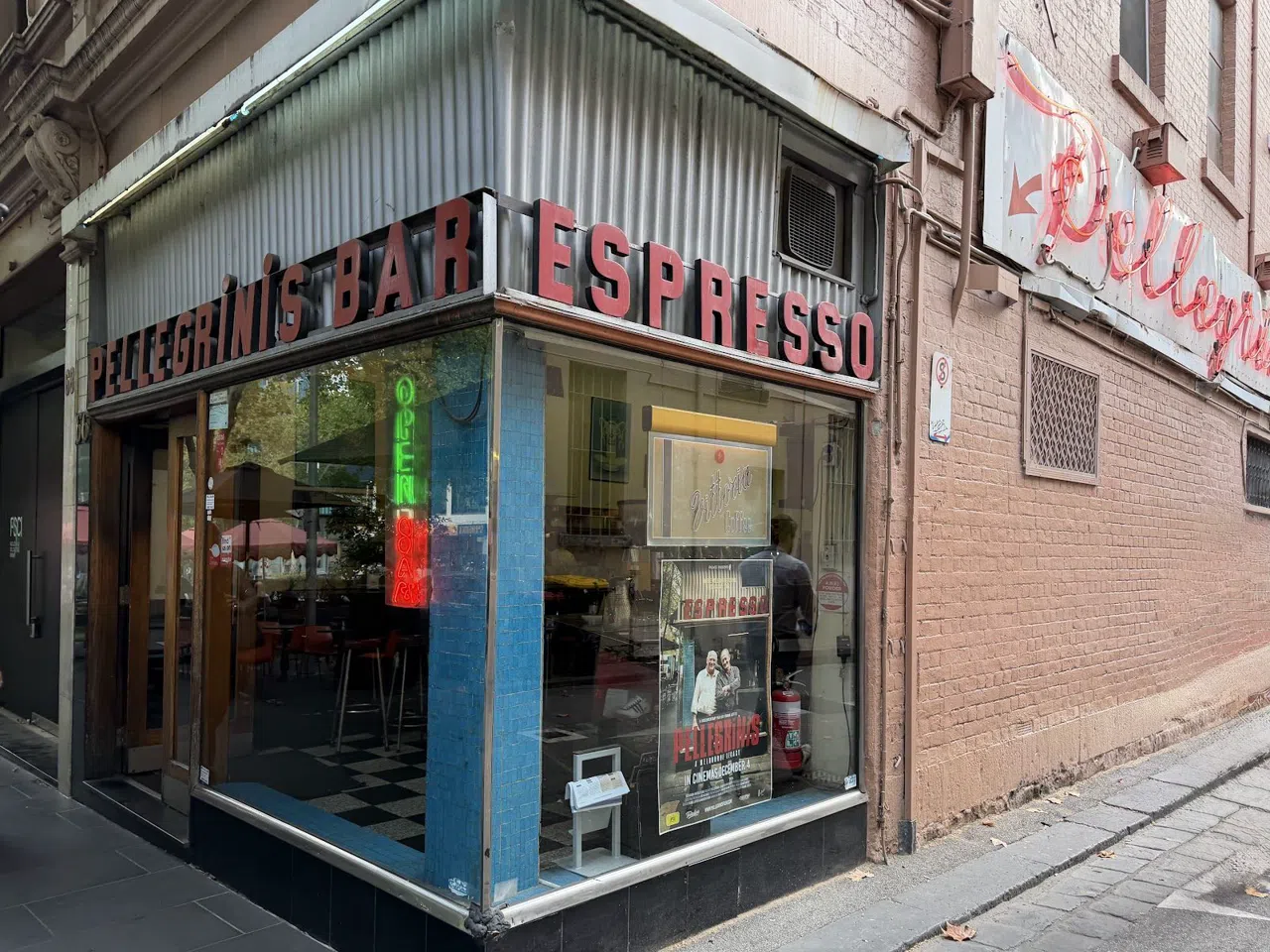
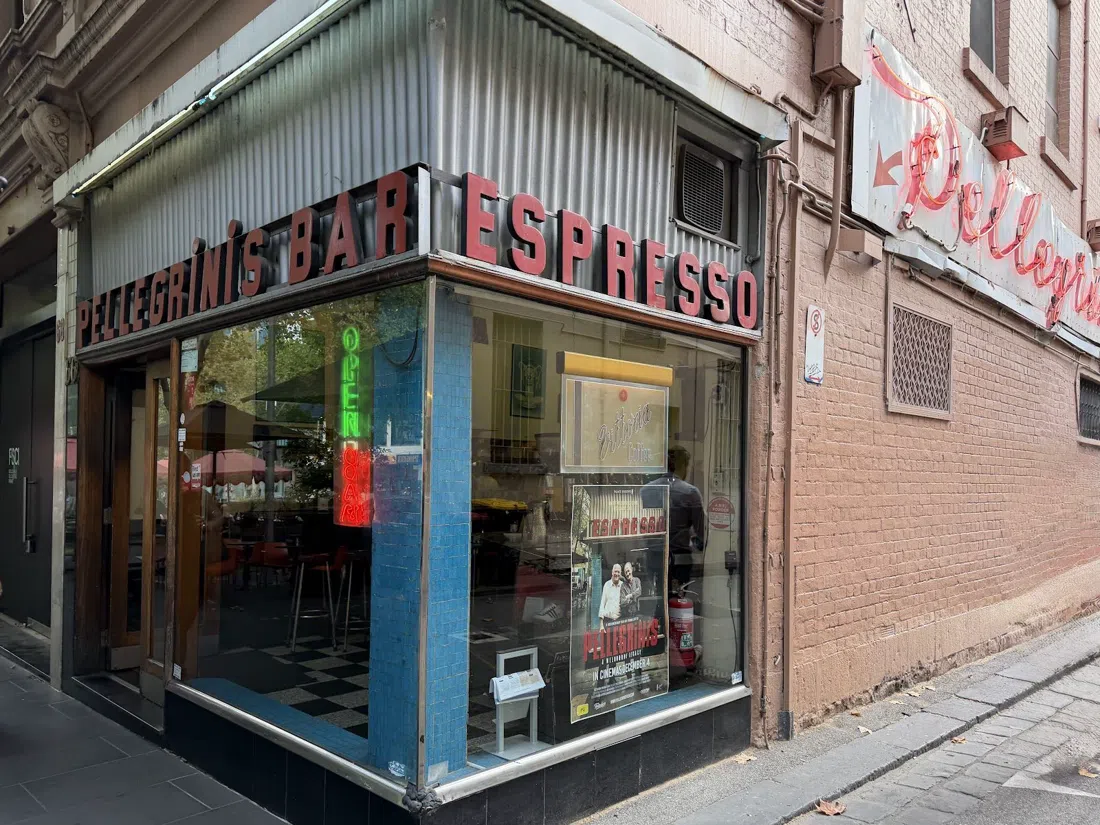
The story doesn't begin with a laneway hatch or a barista championship. It begins on Bourke Street in 1954, when Pellegrini's Espresso Bar (CBD) started pulling shots for a wave of postwar Italian migrants who wanted something that tasted like home. It's the oldest surviving espresso bar in the city, and it hasn't been smoothed out for tourists — there's no bookings line, no large-group seating, just a narrow bar with a row of stools and a till that still prefers cash. Coffee runs under AUD 5, which sounds like a nostalgia price until you realise it's just what they've always charged. Go as a pair, stand if you have to, and understand that this is the room every third-wave roaster in this article is quietly in conversation with.
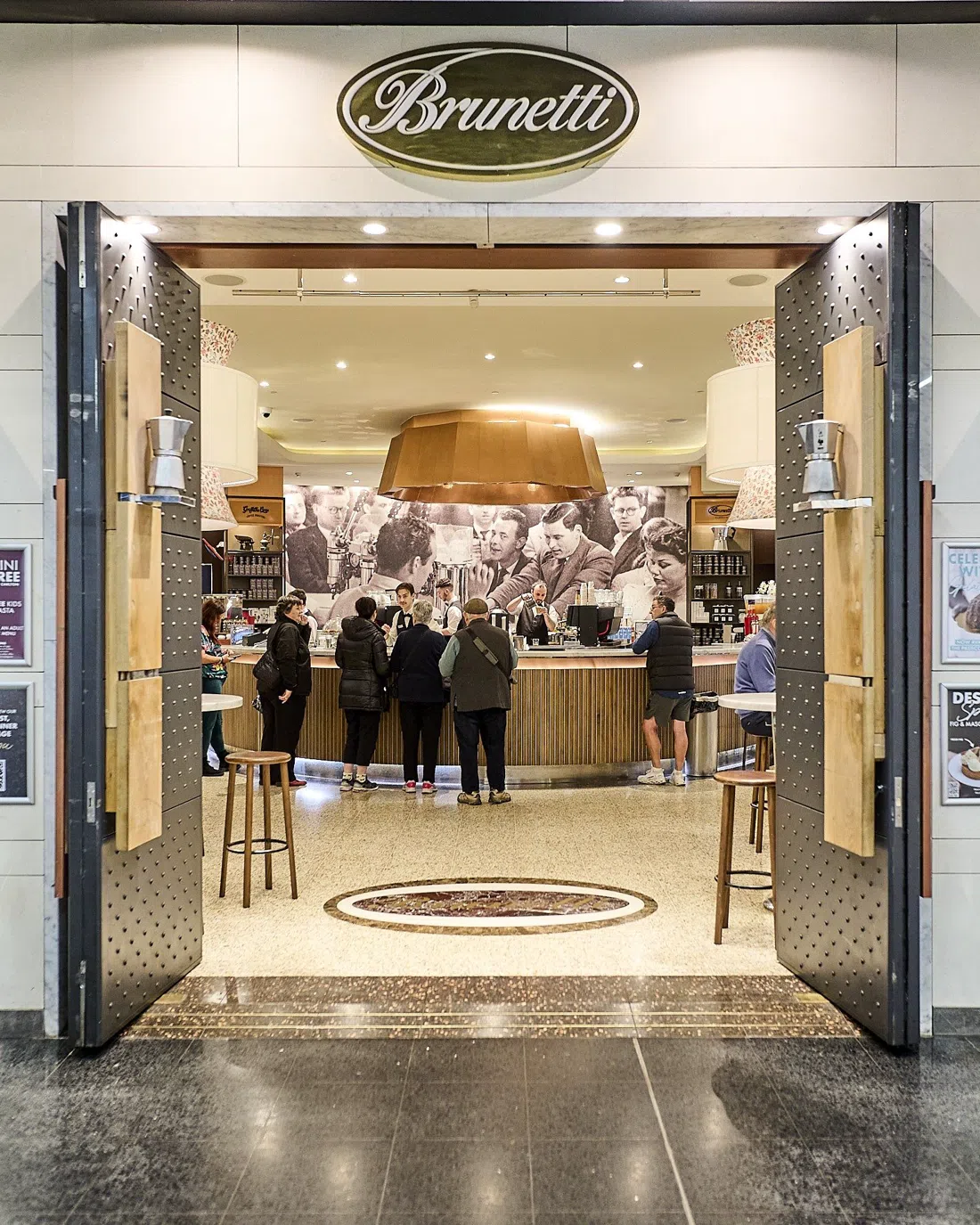
A short tram ride up to Lygon Street gets you to the other half of that migration story: Brunetti Classico (Carlton), open since 1974 and built on an entirely different scale. Where Pellegrini's is a bar, Brunetti is a multi-room institution — it takes bookings, it seats big groups without blinking, and it's the one stop in this piece where a dozen people can actually sit down together. The coffee is solid rather than showy; the reason to come is the pastry cabinet and the sense of a Melbourne-Italian food culture that's been running continuously since before most of the laneway bars existed.
The Laneway Hatches
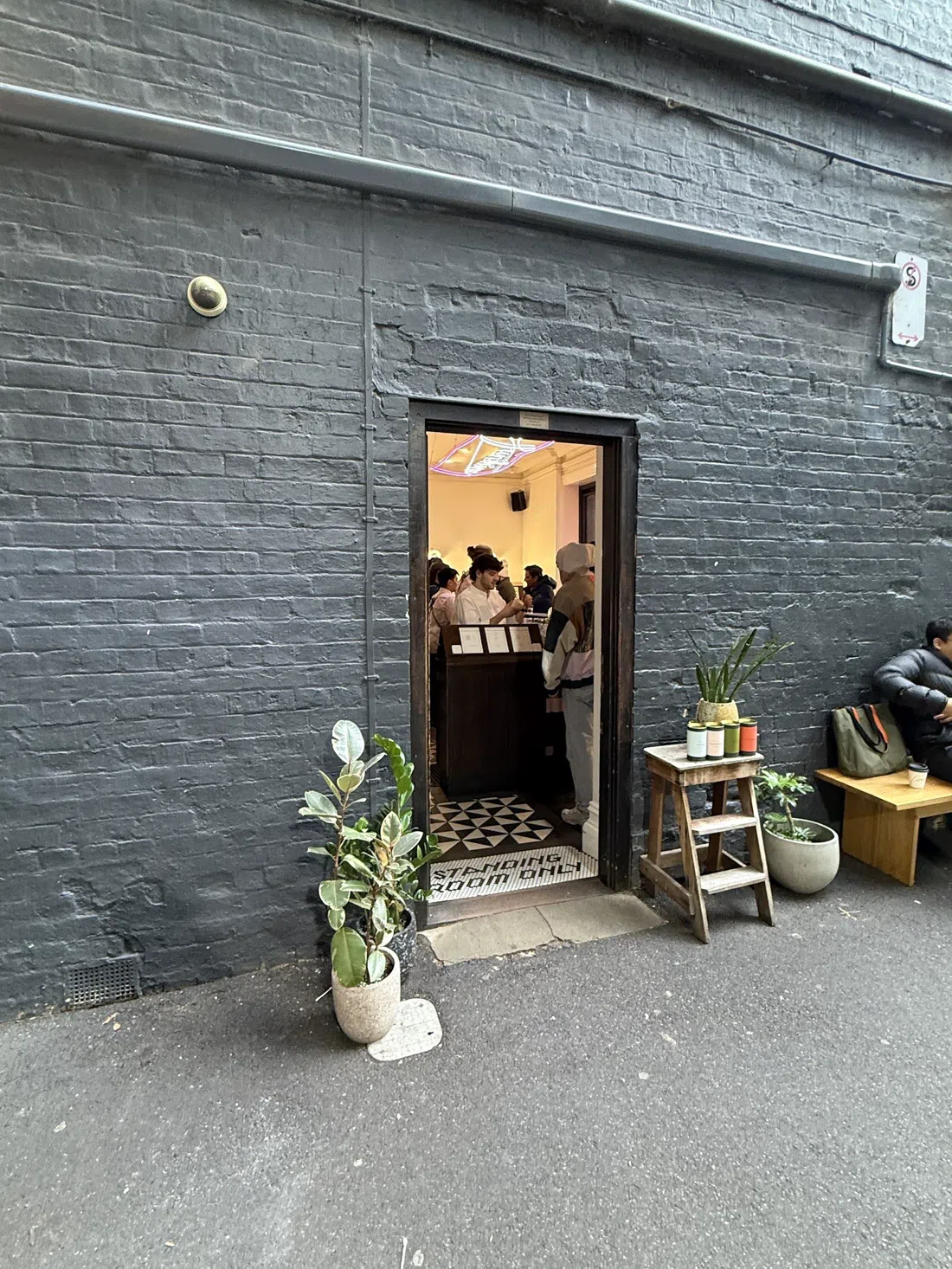
This is the image most visitors already have in their head, and it's mostly accurate: a doorway with no sign, a queue forming out of nowhere, someone drinking an espresso standing up against a brick wall. Patricia Coffee Brewers (CBD) is the purest version of it — there is no seating at all, just a counter and a footpath, which makes it the definitive quick stop rather than a place to linger. It's worth the five minutes even with a group, but keep it to five minutes; there's nowhere for six people to actually gather.
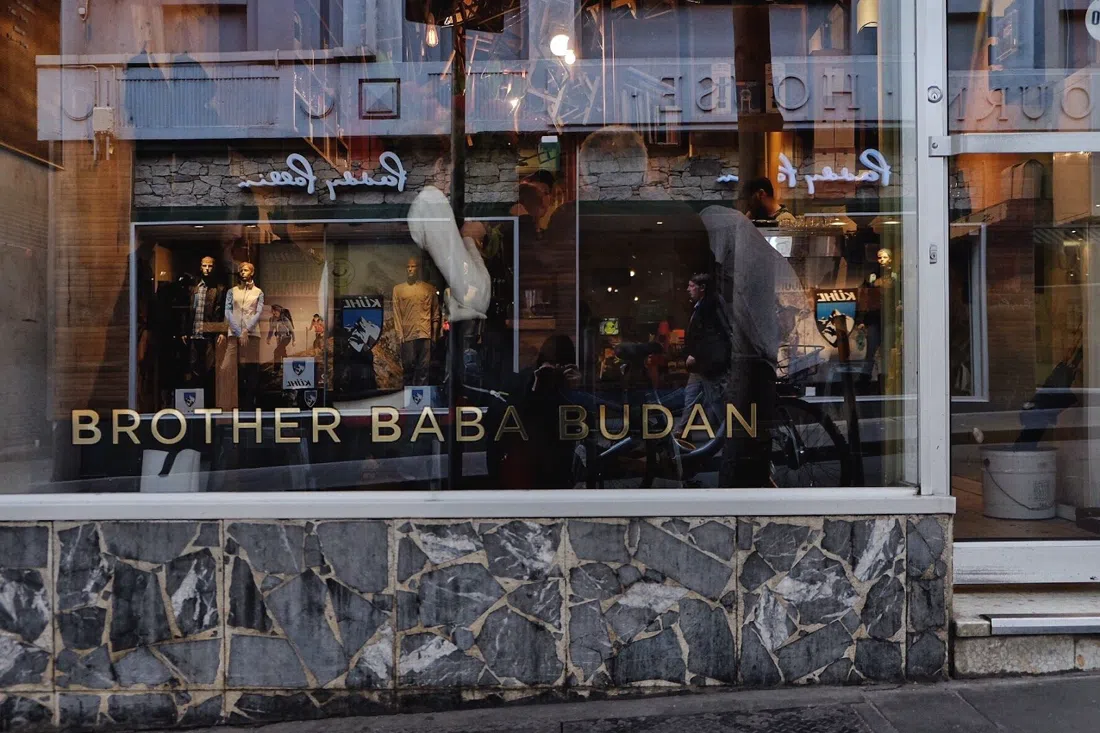
A few laneways over is Brother Baba Budan (CBD), named for the legend of a Sufi pilgrim who supposedly smuggled seven coffee beans out of Yemen strapped to his chest, seeding coffee cultivation in India. It's one of the true originals of Melbourne's modern scene, pouring Seven Seeds' blend under a canopy of upturned chairs nailed to the ceiling — a stunt that's now more photographed than the coffee, though the coffee holds up fine. Seating tops out around fifteen, so expect a wait at peak times; it suits two to four people, not a tour group.
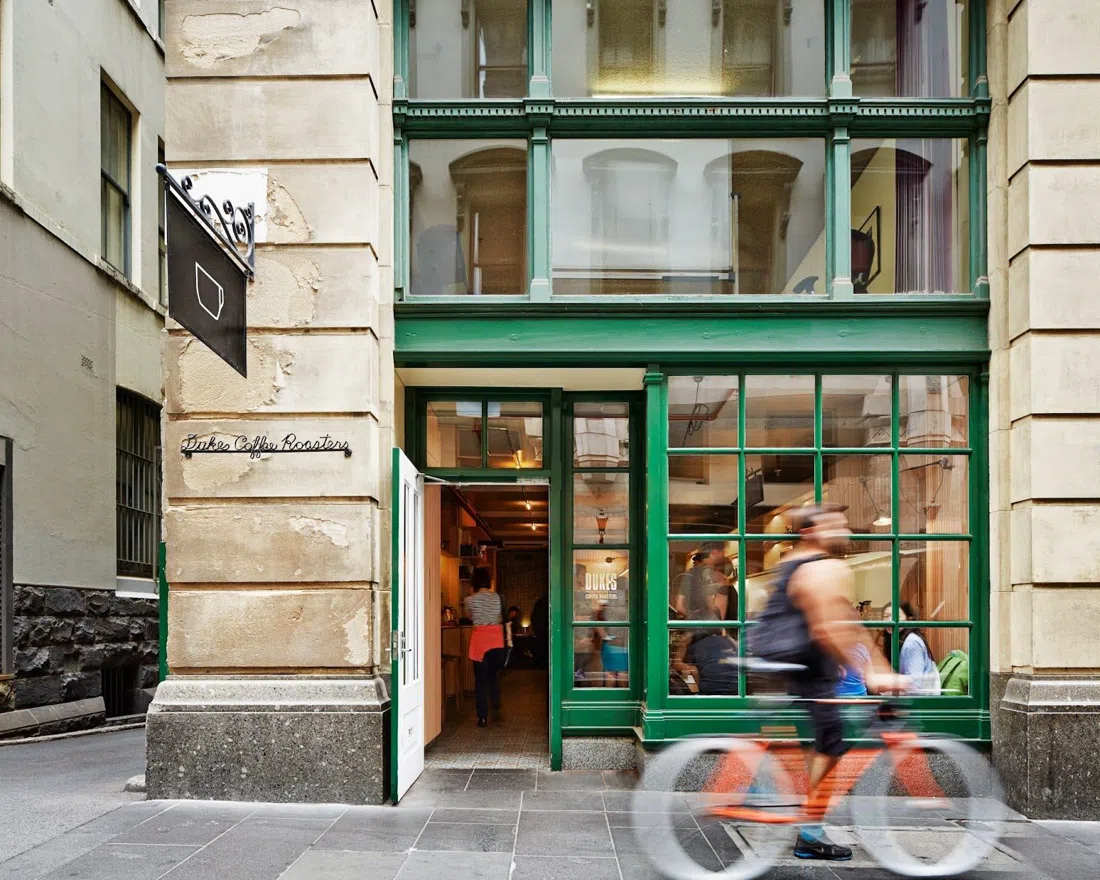
For something a little more composed, Sensory Lab (CBD) is the design-forward end of the laneway format — same small-footprint counter-service logic, but with cleaner lines and a more contemporary fit-out. It's a good one for pairs cutting through the CBD who want the laneway experience without quite so much elbow-to-elbow queuing. And Dukes Coffee Roasters (CBD) rounds the group out by doing its own roasting on-site inside a heritage building — the seating is compact and best for small groups, but takeaway is easy if there are more of you than the room can hold. Between these four, you get the full range of what "laneway coffee" actually means here: intense, unbookable, and completely unbothered by whether you found it.
The Third-Wave Founders
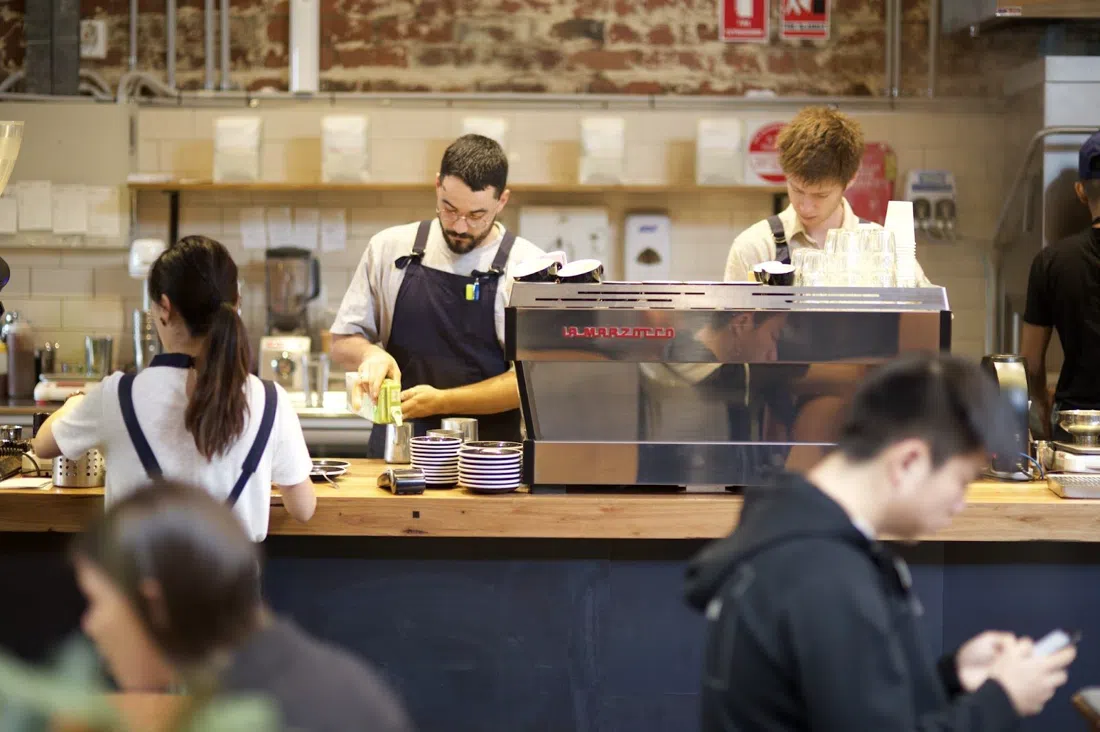
If the laneway bars are Melbourne's coffee culture at its most photogenic, this is where the scene's actual engineering happened. Seven Seeds Coffee Roasters (Carlton) has been the founding father of the city's third-wave movement since 2007, and it's built for the crowd it draws — close to a hundred seats, no bookings, but genuinely enough room for a group to walk in without a plan. It's also the blend you'll recognise from Brother Baba Budan's cups a few streets away, which tells you how tightly this whole scene is stitched together.
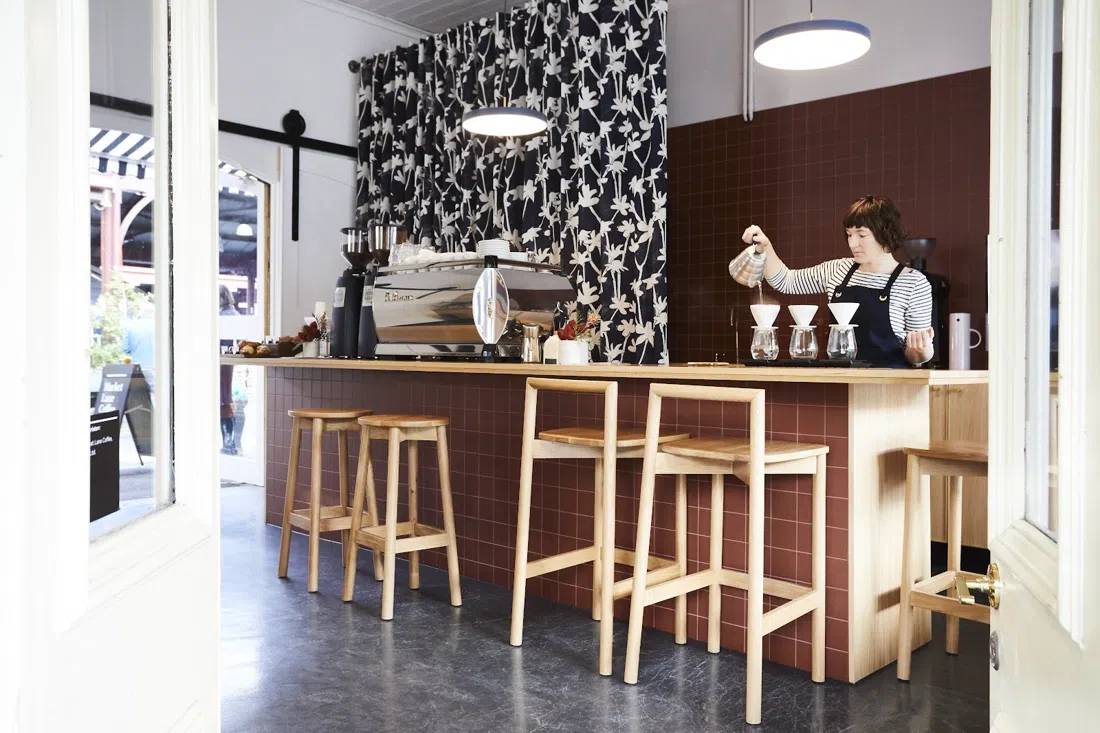
Near the historic Queen Victoria Market sits Market Lane Coffee (CBD), one of the city's most respected direct-trade roasters. The format here is counter service with some seating, which works fine for a group as long as everyone's happy ordering individually and finding a spot to stand or perch — it's less a sit-down café than a coffee stall with serious sourcing behind it, and it ties the coffee scene directly into the market's older, wider city fabric.
Warehouse Roasteries Built for a Crowd
This is the section for anyone travelling with more than four people, because most of Melbourne's best coffee rooms simply weren't built for that. These were.
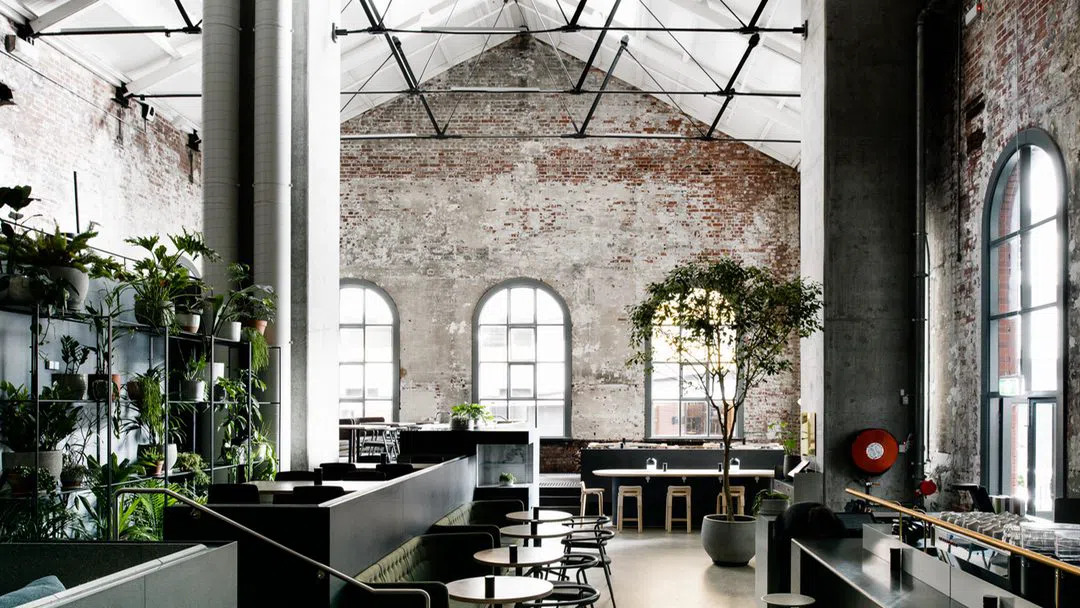
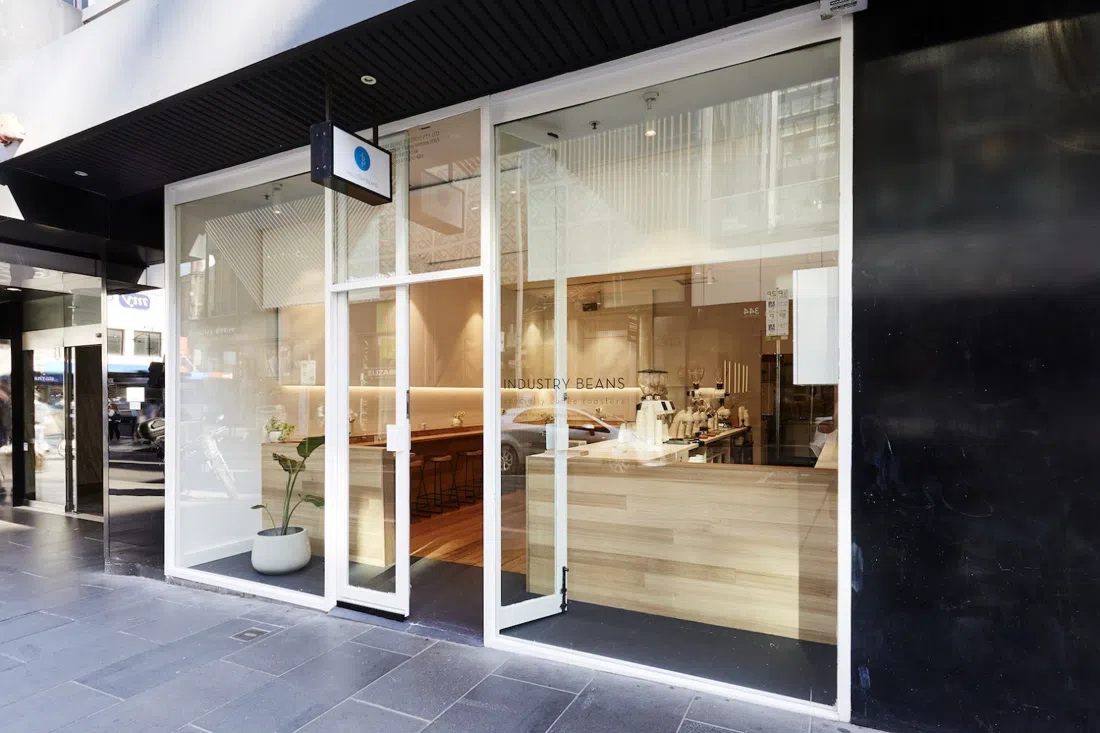
Industry Beans (Fitzroy) runs a genuine roastery-meets-restaurant floor plan, with bookings through OpenTable and enough space that a group booking isn't an imposition — it's the model. ST. ALi (South Melbourne) does something similar on an even bigger warehouse footprint; it's the spiritual home of Australia's biggest independent specialty roaster, founded in 2005, and it doesn't need a booking for a casual group to find a table. And Higher Ground (CBD) is the standout of the three: a five-level café inside a converted heritage power station, purpose-built for events and large groups in a way almost nothing else on this list is. If you're coordinating a coffee stop for a dozen people and don't want to split up, this is the one to book.
Beyond the CBD Core
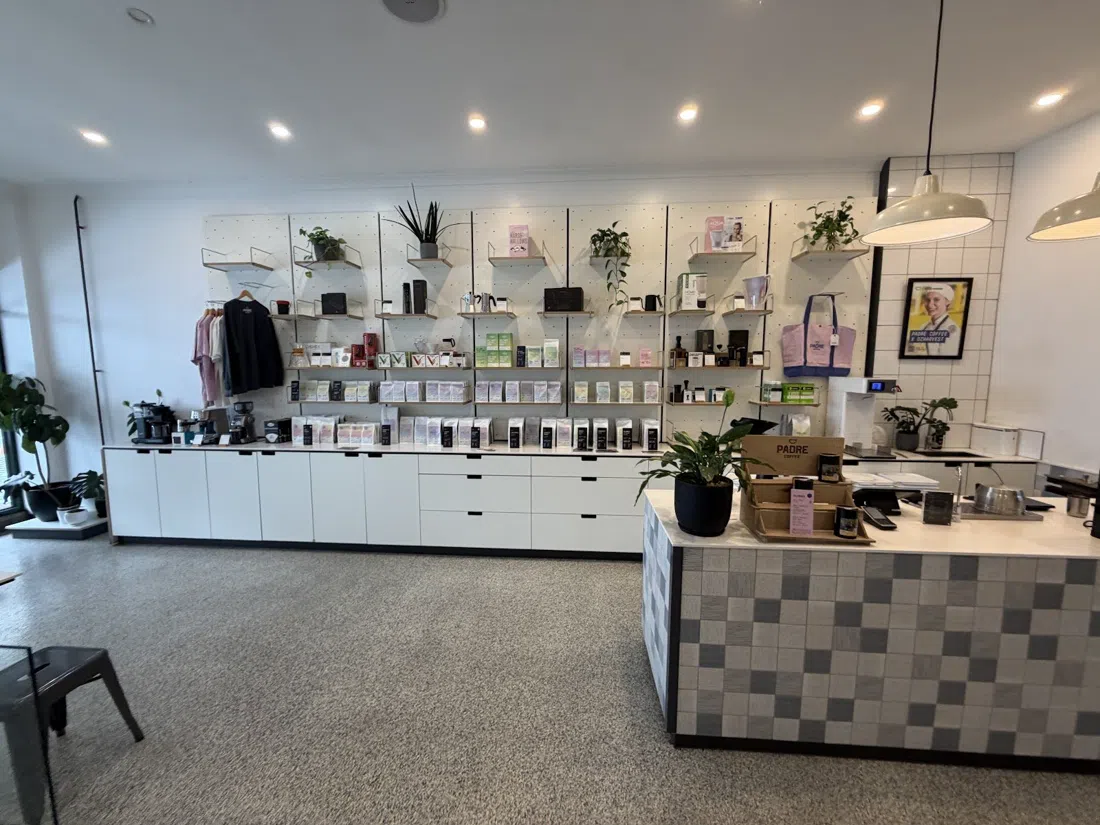
Melbourne's coffee obsession doesn't stay inside the grid, and three stops make the case for going further out. Auction Rooms (North Melbourne) has been a neighbourhood roastery-café since 2007, with a good-sized dining room and both indoor and outdoor seating — it suits a group without the warehouse scale of Industry Beans or ST. ALi, and it gets you into a residential pocket of the city most visitors skip. Padre Coffee (Brunswick East) is the original roastery site, opened in 2008, and it doubles as a training space that runs public brewing workshops — worth building into an itinerary if part of the appeal is learning to actually taste the difference between a washed and a natural process, not just drinking it. And Axil Coffee Roasters (CBD) belongs in any current conversation about this city's coffee credibility: voted Australia's Favourite Coffee at MICE 2026, with a reigning World Barista Champion pulling shots on staff. Seating varies by site, so for a group, stick to the larger CBD locations rather than the smaller neighbourhood branches.
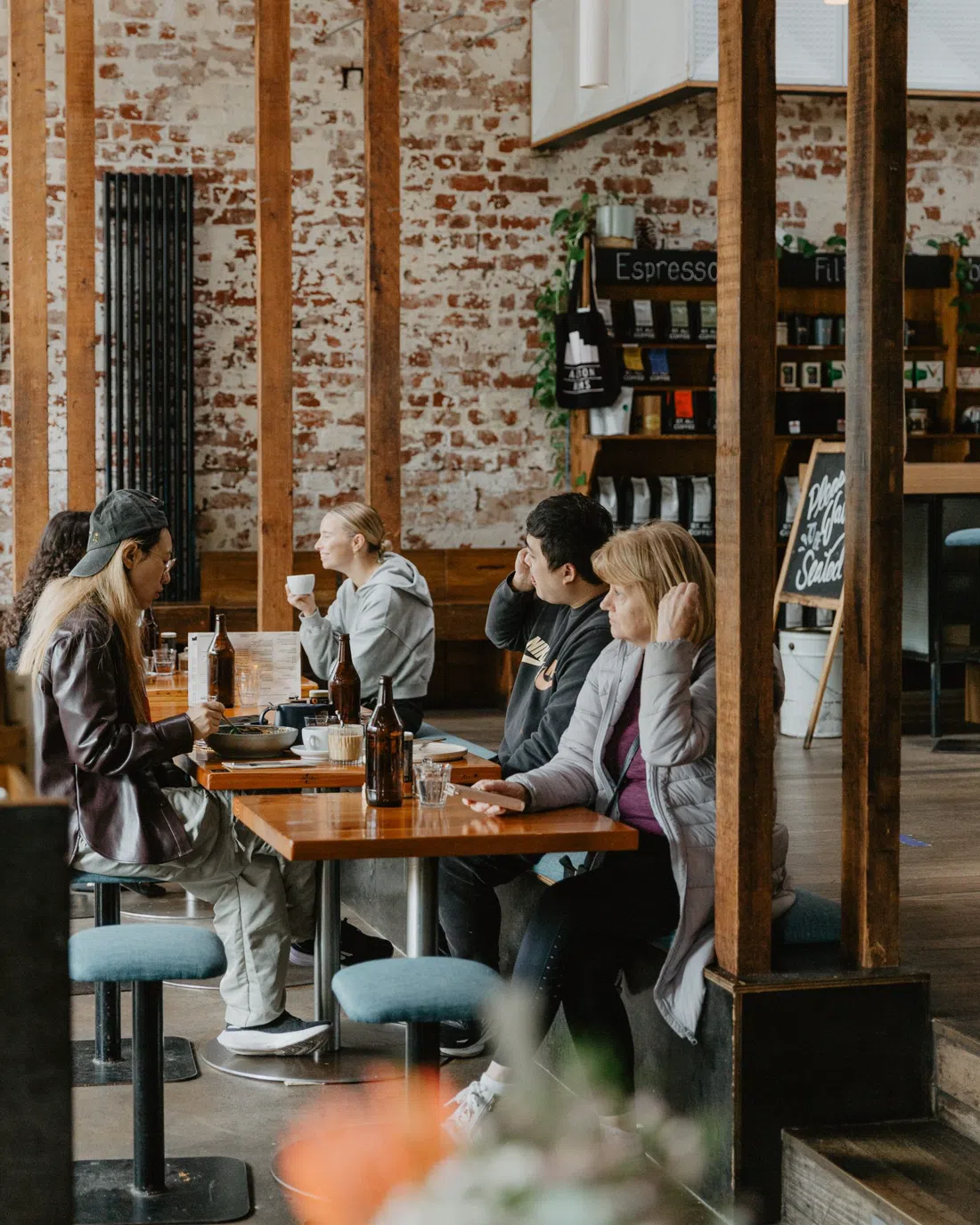
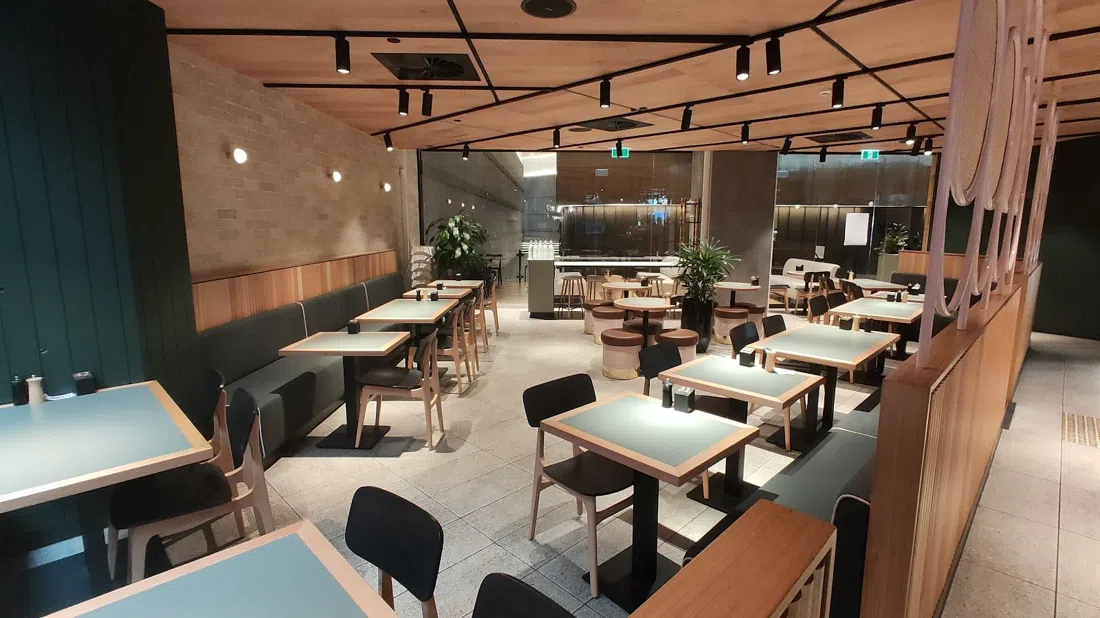
One more worth the detour: Proud Mary (Collingwood), which landed at 27th in the World's 100 Best Coffee Shops for 2026 — a genuine international marker in a city that doesn't lack for local ones. It's a proper breakfast and lunch dining room, spacious enough for groups, though bookings are recommended given the reputation now precedes it.
The Flat White Question
Ask five baristas in this city where the flat white actually came from and you'll get five different answers, usually involving a rival city across the Tasman Sea and a fair amount of good-natured needling. Nobody here settles it and nobody's trying to. What Melbourne actually did — and this is the more interesting story than the invention myth — was build the infrastructure that made a good flat white the baseline expectation rather than the exception: direct-trade roasting relationships, house blends that move between cafés, baristas who train under people who trained under the last generation. That's the postwar Italian bars feeding into the laneway hatches feeding into the third-wave roasters feeding into the warehouse-scale rooms of today. The drink's origin is a pub argument. The system that makes it consistently good, city-wide, on a Tuesday morning, is the real achievement, and it's the one worth actually visiting for.
If you want a base to work from while you do the rounds, start with a Melbourne hotel search for something within walking distance of the CBD laneways — it puts Patricia, Brother Baba Budan, Sensory Lab and Dukes all within a single loop before you need transport for the rest.
Practical Notes
Getting around: The CBD laneway bars (Patricia, Brother Baba Budan, Sensory Lab, Dukes, Pellegrini's) are all walkable from each other. Seven Seeds and Brunetti are a short tram ride up to Carlton; Industry Beans and Proud Mary are in Fitzroy/Collingwood, a tram or a 15-20 minute walk from the CBD edge; ST. ALi is south of the river in South Melbourne; Padre Coffee and Auction Rooms sit further out in Brunswick East and North Melbourne respectively and are best reached by tram or a short taxi.
Cash and cards: Most cafés take cards without issue, but Pellegrini's runs cash-friendly and it's worth carrying some regardless — smaller laneway operators can have card-machine downtime during peak rushes.
Timing: The laneway bars get genuinely busy between 8am and 10am on weekdays with the CBD office crowd; if you want Patricia or Brother Baba Budan without a queue, go before 8am or after 11am. Warehouse spots like Higher Ground and Industry Beans hold up better under a late-morning rush since they simply have more seats.
Groups: For six or more people, don't try to squeeze into a laneway bar — head to Brunetti Classico, Higher Ground, Industry Beans, ST. ALi, or Seven Seeds, all of which are built for it. For couples or pairs who want the classic hole-in-the-wall experience, Patricia, Brother Baba Budan and Sensory Lab are the ones to prioritise.
Budget: Espresso and filter coffee across the laneway bars generally sits at the cheaper end of the scale; the warehouse roasteries and sit-down cafés (Brunetti, Higher Ground, Proud Mary, Industry Beans) run a little higher once food is added to the coffee. Either way, this is not an expensive city to drink well in — the cost of entry to Melbourne's best coffee is rarely more than the coffee itself.
For more on where to eat, sleep and move around the rest of the city, see the full Melbourne guide.