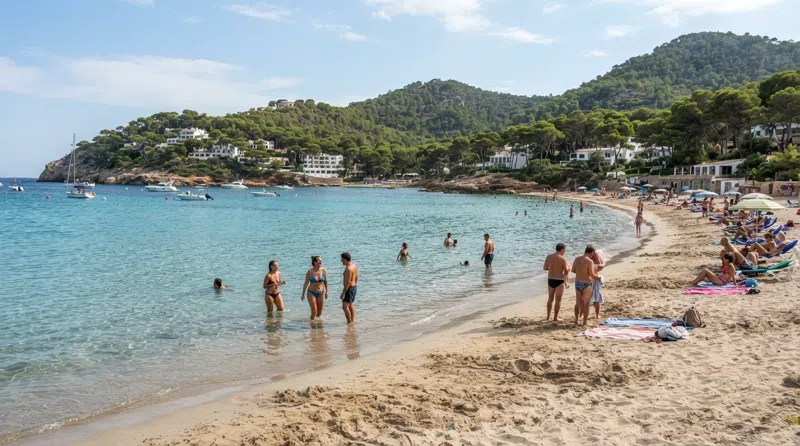

Torquay's foreshore car park gives the subculture away before you've even locked the doors: dinged wagons with board racks bolted to the roof parked nose-to-tail with rental SUVs, wetsuits drying over open boots, a toddler in a rash vest eating a sausage roll on the tailgate. Ninety minutes further on, the sealed road narrows to cliff edge and shipwreck story, and by the time you're standing at the end of it looking at limestone stacks getting slowly demolished by the Southern Ocean, the whole drive has stopped being a scenic tour and started being a 100-kilometre museum of one coastline's obsession with a sea that keeps trying to take the road back.
Torquay: Where the Boardshort Was Born
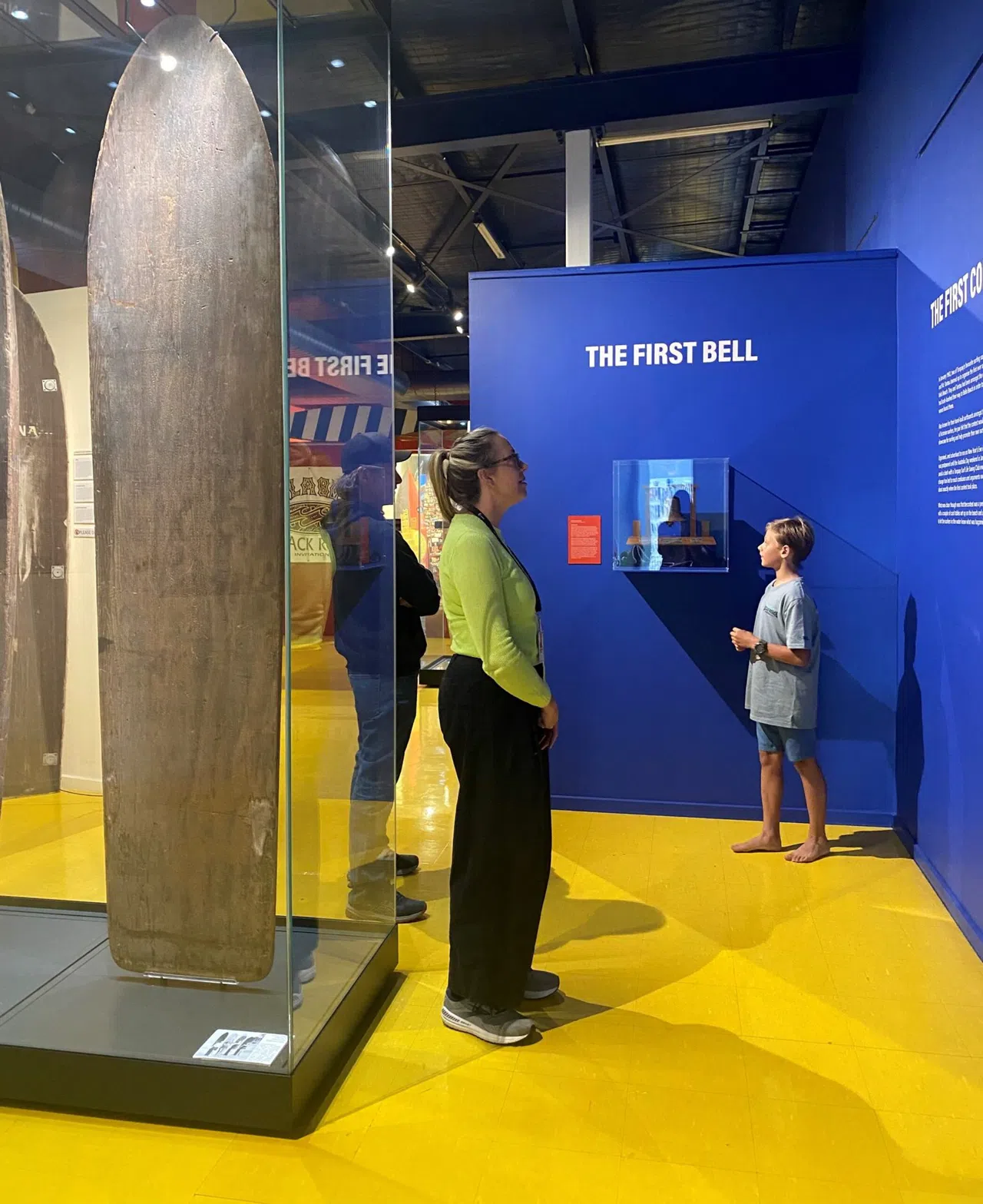
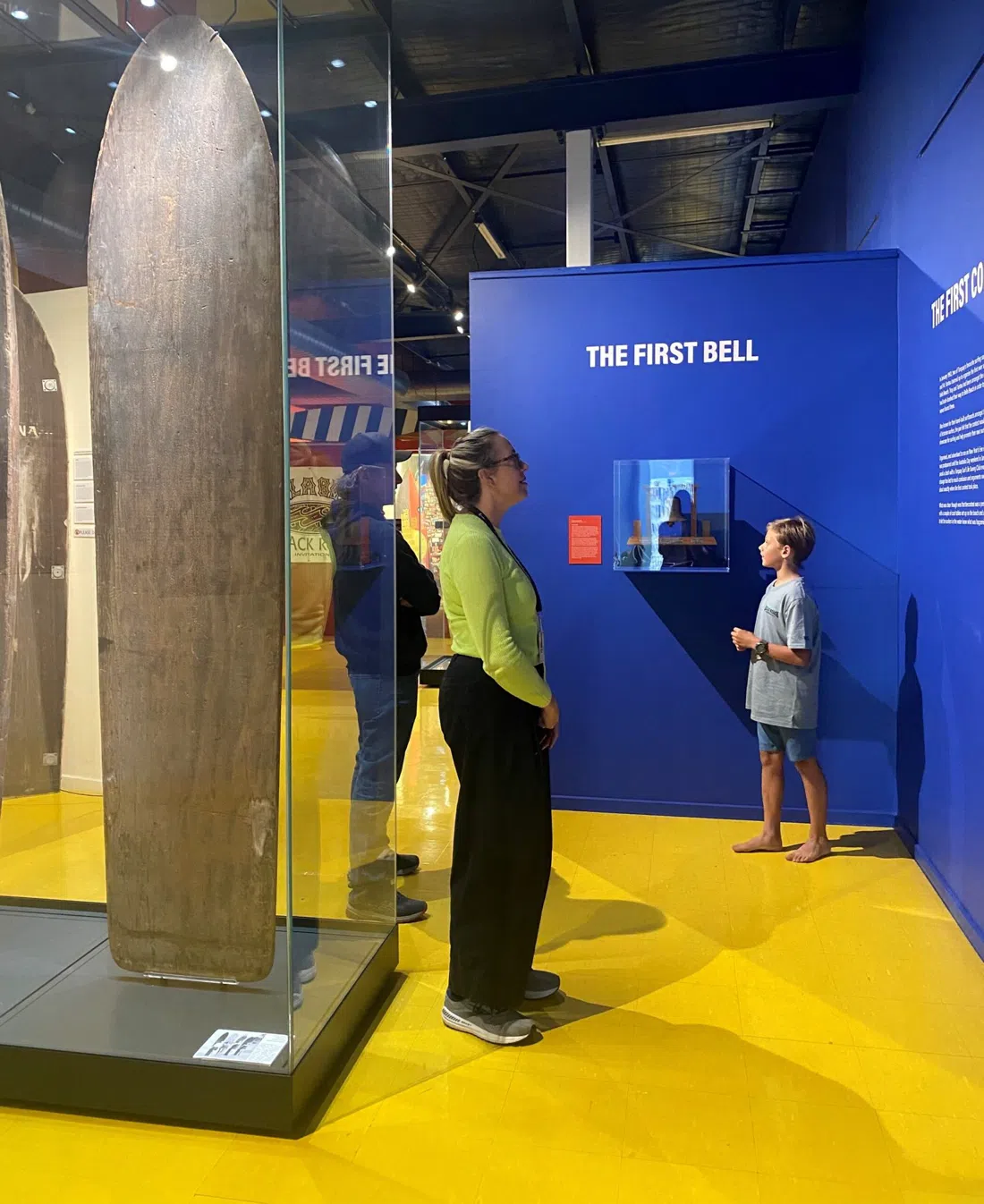
Start at the source. The Australian National Surfing Museum (Torquay) is the unglamorous but essential first stop — a proper archive, not a gift shop with a surfboard bolted to the wall, tracing the evolution of the board itself alongside the history of the Rip Curl Pro, the world's longest-running surf contest, which in 2026 marks fifty years of professional surfing on this stretch of coast. Entry is AUD 10–12, and it's genuinely built for coach and school groups, with guided tours bookable ahead — book the tour rather than wandering in blind, because the exhibits reward someone talking you through them.
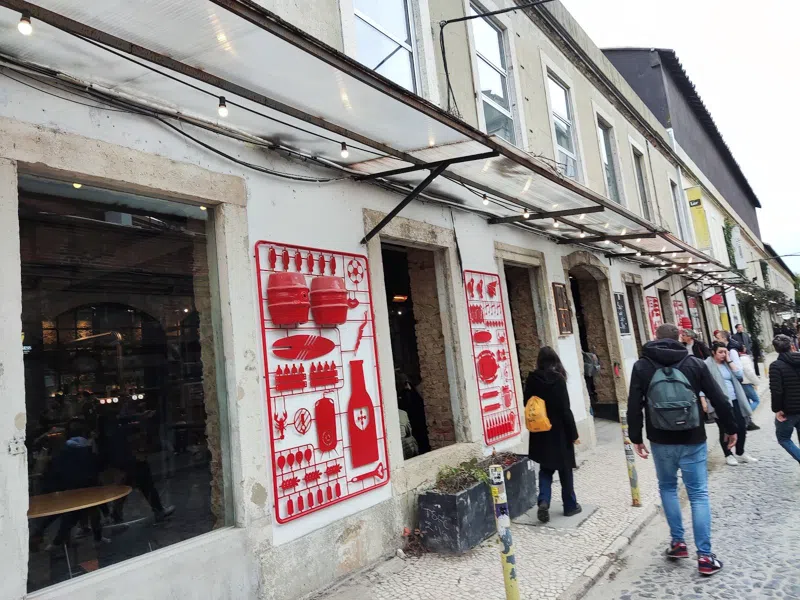
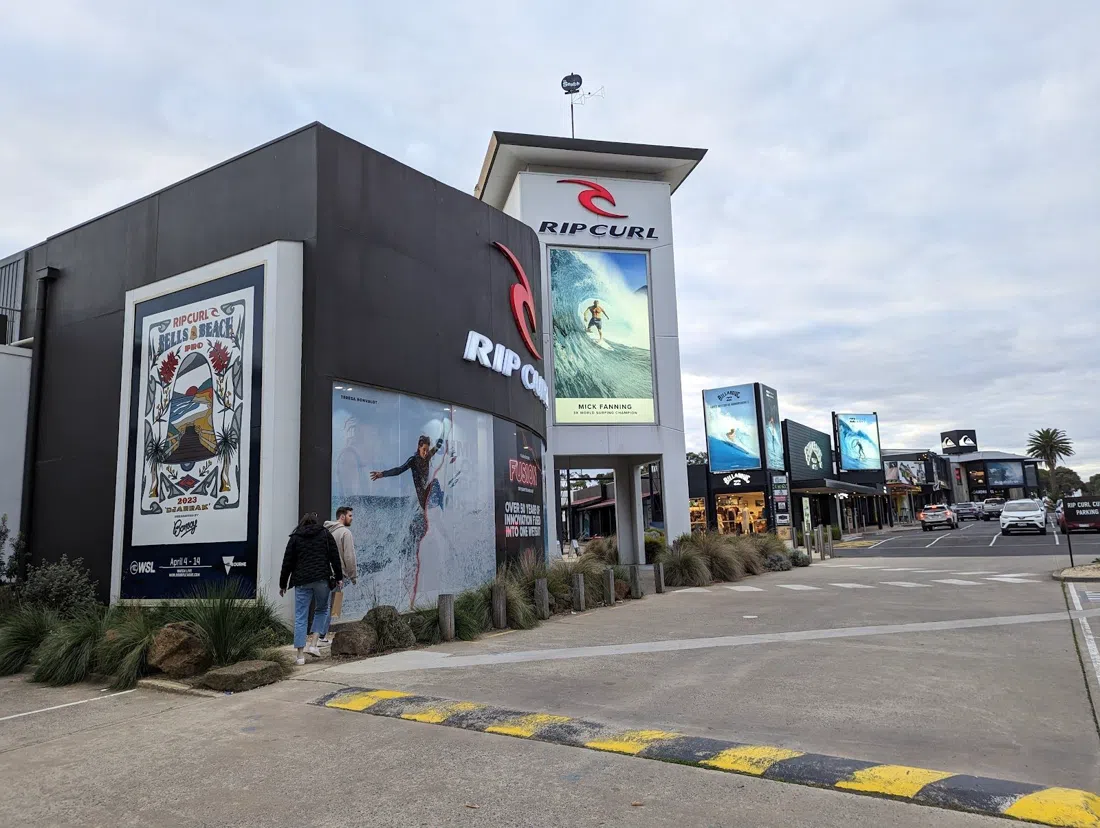
Walk five minutes and you're at the Rip Curl Torquay Outlet in Surf City Plaza, which is where the museum stops being history and starts being a functioning business: Rip Curl and Quiksilver were both founded in Torquay in the 1960s, and Rip Curl's headquarters is still here in 2026. The outlet floor is large and handles coach-tour foot traffic without turning into a scrum, and the pricing is real outlet pricing — up to 70% off retail, so a wetsuit that's AUD 400 at full price turns up considerably cheaper here. It's not a boutique experience and doesn't pretend to be one; it's a warehouse of last season's stock, which is exactly what makes it interesting as the commercial end of the origin story that starts at the museum.
Then drive the short distance out to Bells Beach, the clifftop lookout that is the actual reason any of this exists. Access is free and open, no booking required, and it's a safe, easy stop for groups of any size — the lookout itself needs no more than a car park and a short walk. The steep track down to the break is a different matter and is for surfers only; don't send a group of non-surfers down it in thongs. What you're looking at is Bells Bowl and Winkipop, the break that has hosted the Rip Curl Pro since its inception, and standing at the rail with the swell coming in explains, better than any museum panel, why Torquay became the surf-brand capital of the country rather than some other beach entirely.
Putting Yourself in the Water
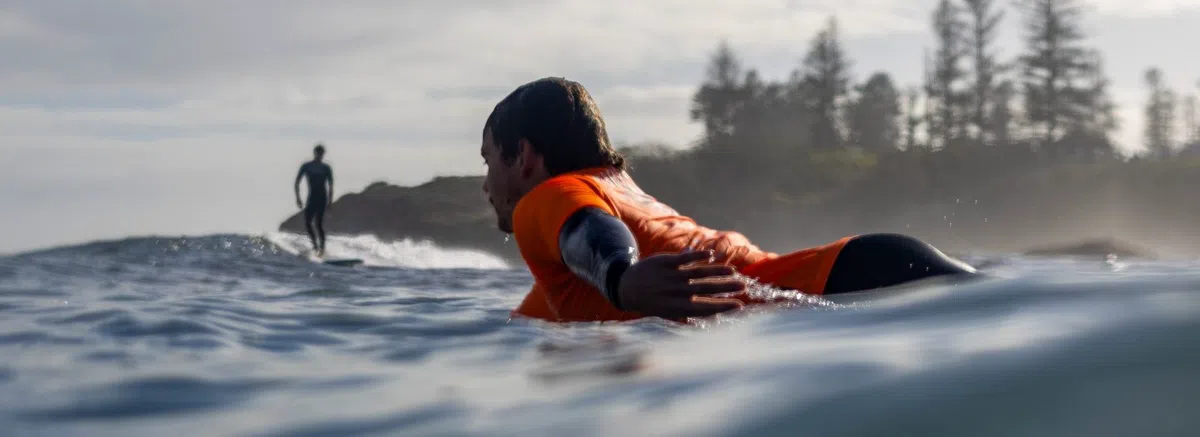
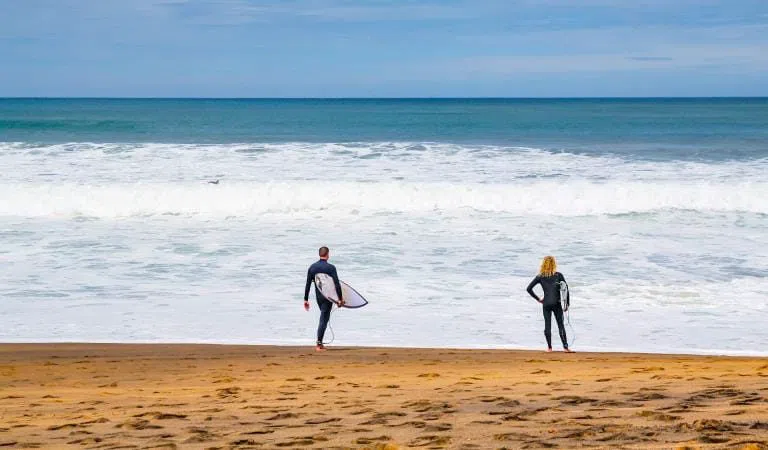
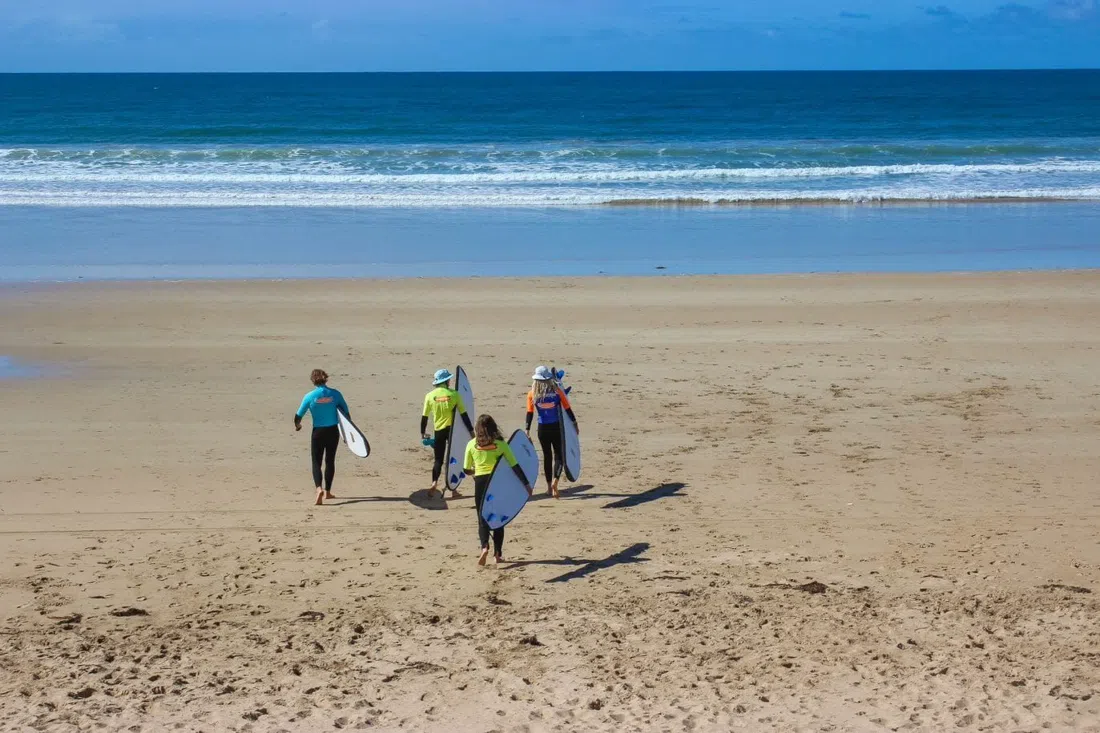
A lookout only gets you so far. Go Ride A Wave, also based around Torquay, is built specifically for putting groups — schools, corporates, families — into the water rather than just photographing it from above, and it's the one venue on this stretch genuinely set up to handle a busload: two 11-seat minibuses for group transfers, AUD 65–90 per person for a group lesson. This isn't a boutique one-on-one session with a purist instructor correcting your stance for an hour; it's a volume operation, and it's honest about that. If you want the subculture rather than just the view of it, this is the door you walk through, and it's worth booking a day or two ahead in the warmer months when school groups fill the morning slots.
The Road That Had to Be Built by Hand
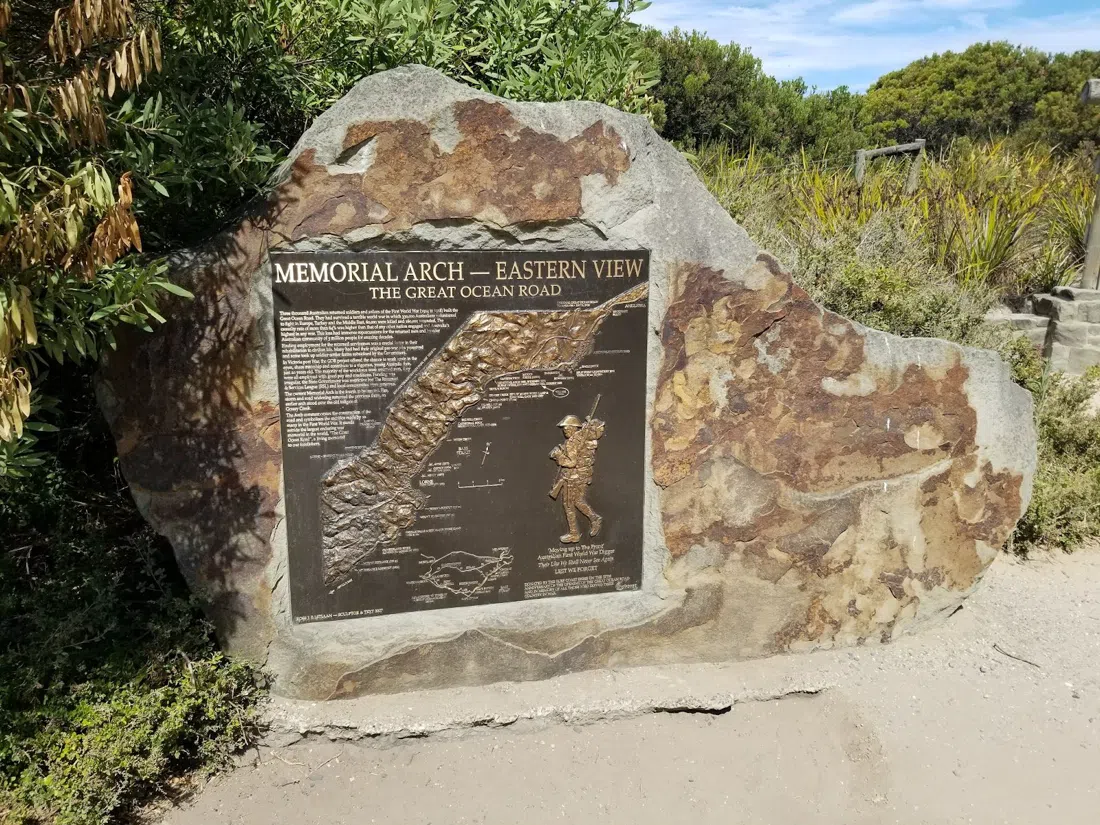
The Great Ocean Road itself is the other half of the story, and it starts with the Great Ocean Road Memorial Arch, a free roadside stop easy for any group size, a short walk from parking. It was built by hand by returned WWI soldiers as a war memorial and a job-creation project rolled into one, and it's been rebuilt three times since 1939 after fire and storm damage — the arch you photograph in 2026 is a survivor, not an original, which is arguably a better story than if it were. There's no queue, no ticket, nothing to book; it's a five-minute stop that sets up everything that follows about a road that has never stopped fighting the coast it runs along.
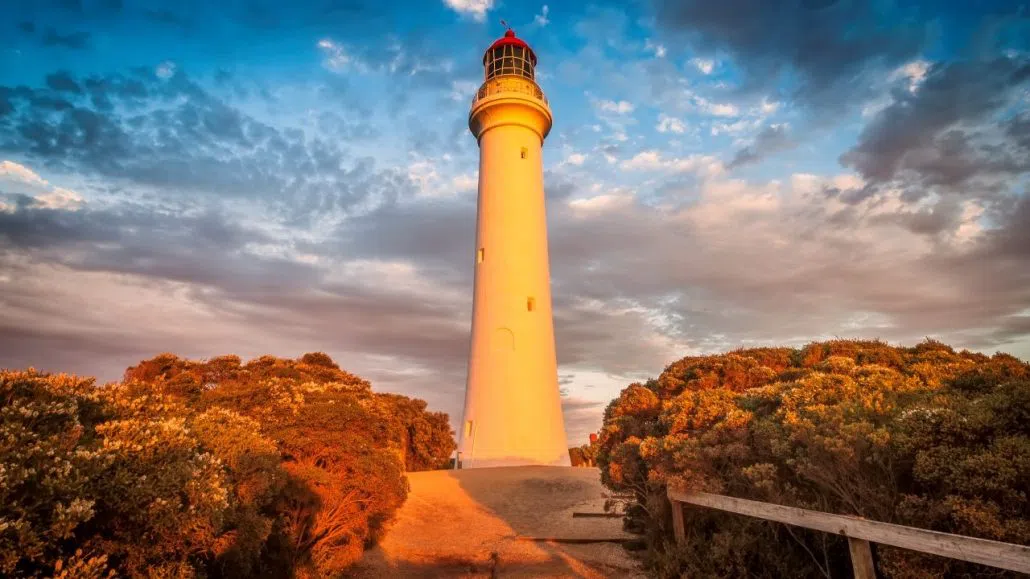
A little further on, Split Point Lighthouse in Aireys Inlet is one of Victoria's oldest lighthouses and a working reminder of why this coast needed taming before there was a road at all — ships were wrecking here long before anyone thought to build along the cliff. Guided tours run every 30 minutes and group bookings are taken in advance, entry is AUD 10, and unlike Bells Beach this one rewards timing your arrival around a tour slot rather than turning up and hoping.
Sugar, Koalas and the Turn Inland
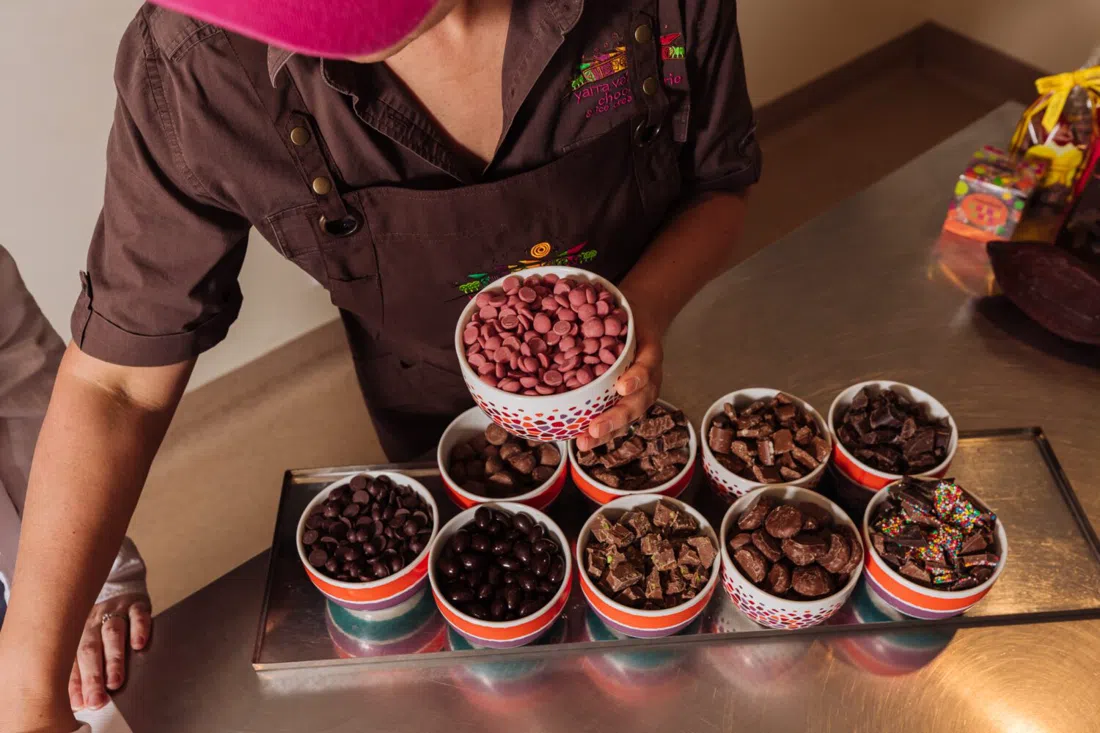
Not everything on this drive is about swell and shipwrecks. The Chocolateries Great Ocean Road, near Bellbrae, recently rebranded from Great Ocean Road Chocolaterie & Ice Creamery but is still open daily and still doing exactly what it always did: free entry, free tastings that scale well to a coach group, and you pay for what you actually eat — a scoop of the salted caramel gelato runs about AUD 6, a hot chocolate closer to AUD 7. The grounds are large enough that a big party doesn't feel like a queue, which makes it a sensible reset stop between the surf towns and the Otways rather than a destination in its own right.
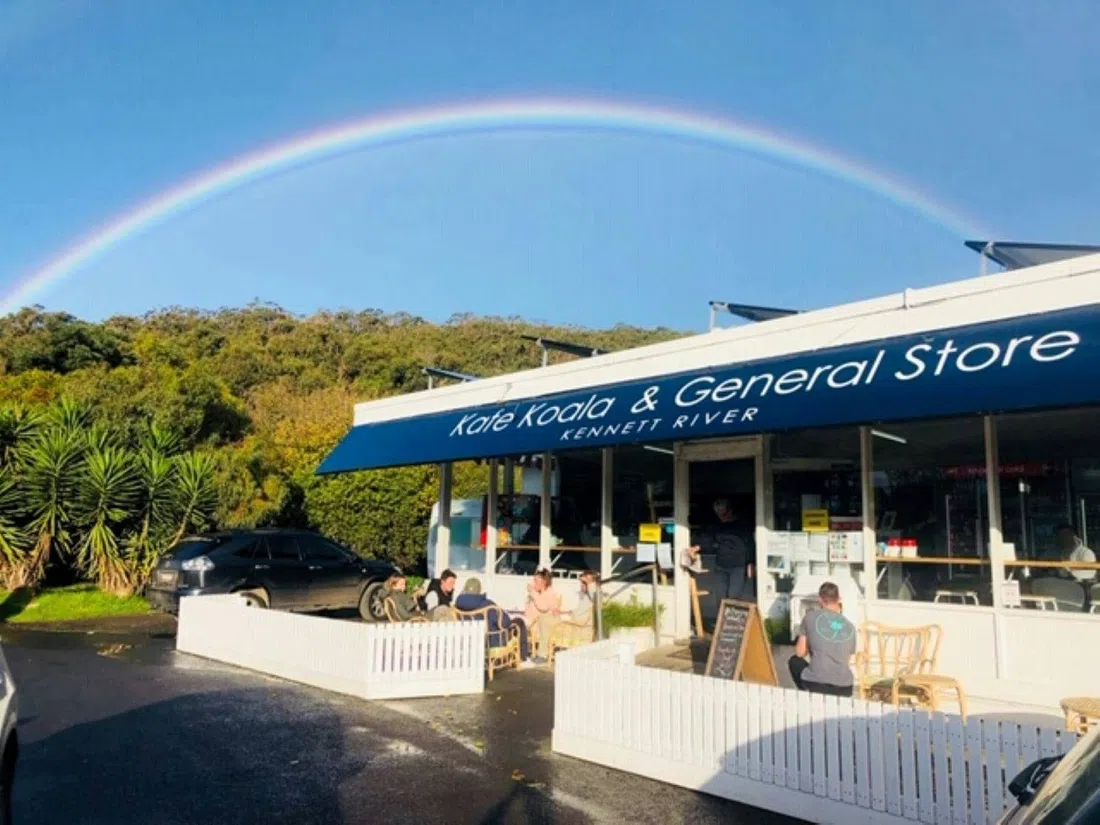
Further along, Kafe Koala General Store & Koala Walk at Kennett River is the free, reliably-open break most people don't plan for and end up loving anyway — a self-guided walk where you're spotting wild koalas at genuine eye level in the treetops, not through zoo glass. The walk itself costs nothing and suits groups easily, but the attached cafe has limited seating, so if you're travelling with more than six or eight people, stagger your stop rather than all arriving at once expecting a table. Prices are budget-to-mid — a meat pie and a coffee will run you under AUD 15.
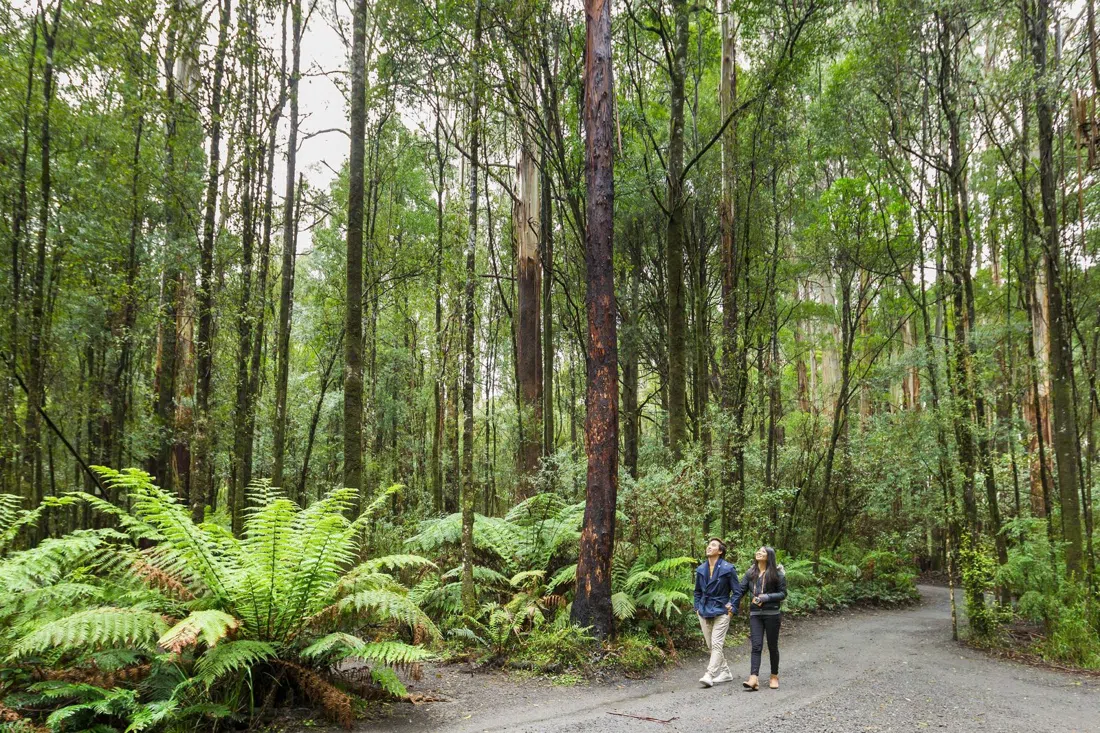
For a genuine change of register, detour inland to Otway Fly Treetop Adventures in the Otway Ranges. It's well set up for group and school bookings with on-site coach parking, and the price range — AUD 30 to over 100 depending on whether you're doing the elevated treetop walk or the full zipline package — reflects a real spread of options from a gentle rainforest stroll above the canopy to an adrenaline circuit through it. It's a short but worthwhile break from the coastal narrative, rainforest instead of surf and shipwreck, before you head back out to the water.
Old Light, New Gin
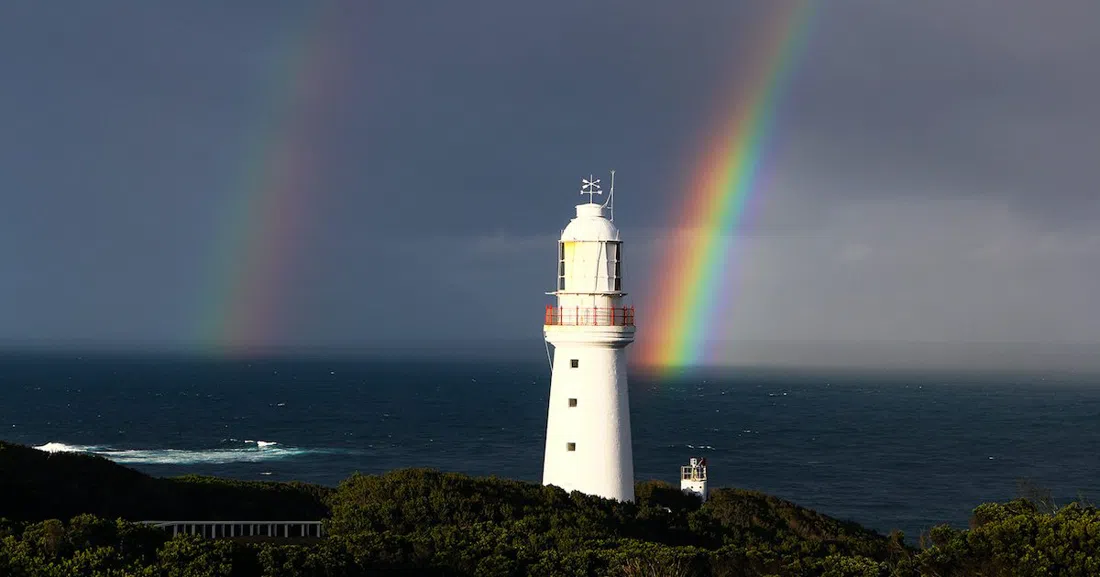
Back on the coast, Cape Otway Lightstation is mainland Australia's oldest surviving lighthouse and a key chapter in the same shipwreck story that runs through this whole drive. General admission is AUD 22–24, discounted at the moment because the tower interior and climb are closed for heritage restoration — the precinct itself is otherwise open, and there's a dedicated group-tour program with its own rates for coaches, so don't let the closed tower put you off booking it in; the site works without the climb.
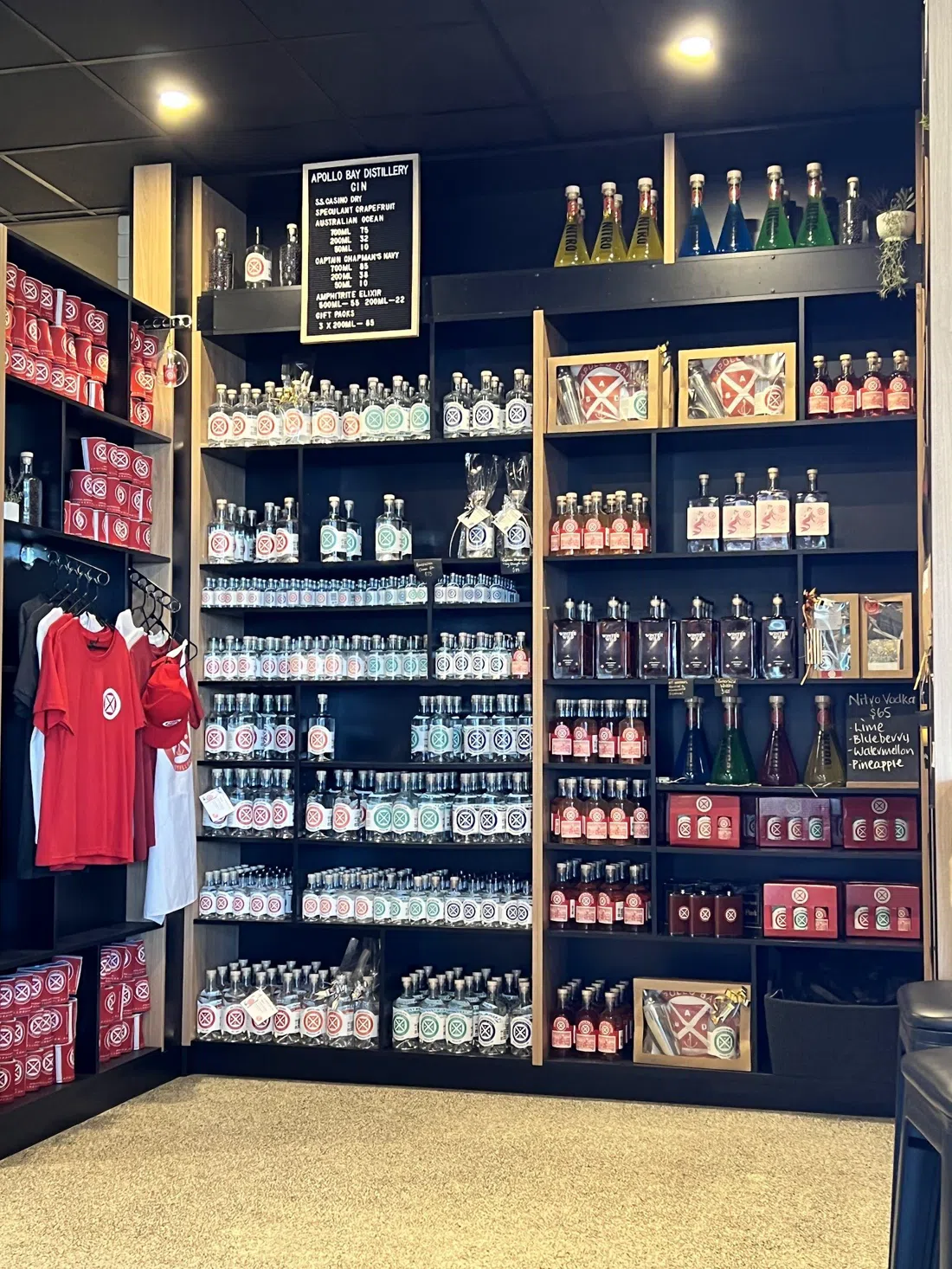
In Apollo Bay itself, Apollo Bay Distillery is the only gin distillery on the entire road, and it earns its place with more than novelty: the tasting comes with genuine shipwreck lore, built around the anchor of the SS Casino, recovered locally. Gin masterclasses and tastings are bookable for groups and sit at mid-range pricing — a flight of three gins with tasting notes runs around AUD 25–30. It's a good late-afternoon stop, the kind of thing that works better for a couple or a small group settling in for an hour than for a coach party moving through on a schedule.
Where the Coast Eats the Road
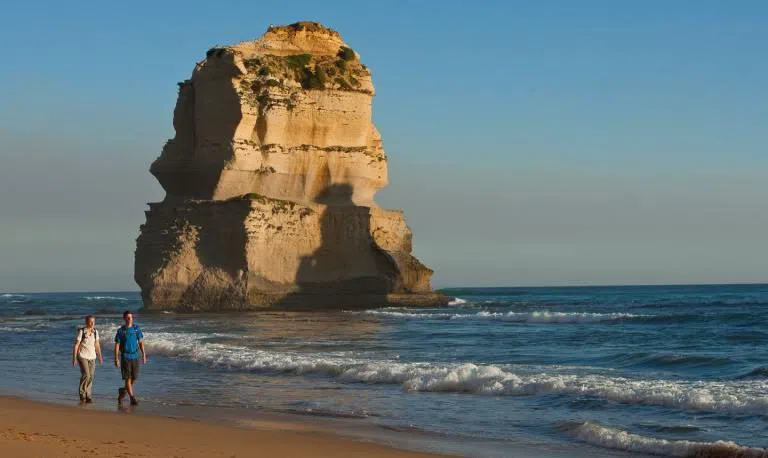
The road's payoff, and the reason most people are on it at all, is the Twelve Apostles — free entry, a large accessible viewing platform, coach parking, and daily handling of big tour groups without the site ever feeling as managed as that description suggests. Be aware the purpose-built Visitor Experience Centre is still under construction and due late 2026, so what you'll find on the ground now is the existing viewing platform and lookout, nothing more elaborate. It doesn't need to be more elaborate; the stacks do the work.
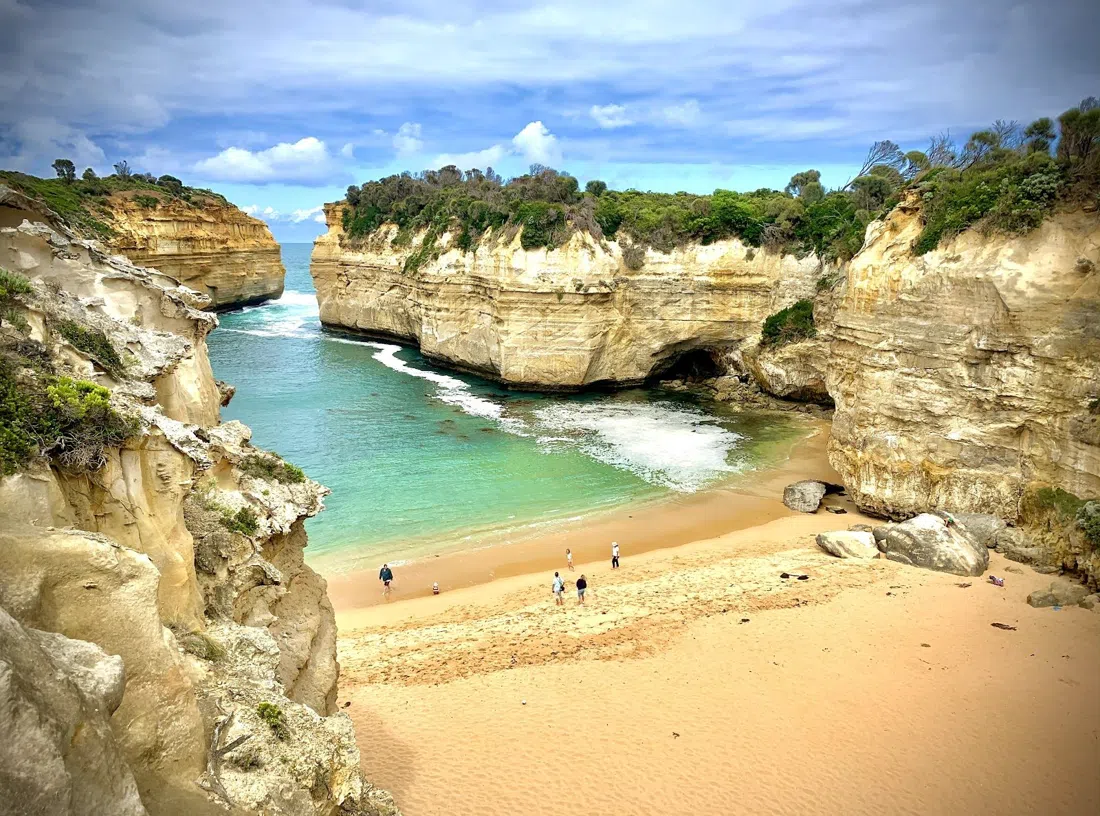
A short drive on, Loch Ard Gorge carries the single best piece of local lore on the entire road: the wreck of the Loch Ard in 1878, in which two teenagers — the only survivors of 54 aboard — washed up in this gorge and lived. The clifftop walking tracks and platforms are free and suit groups comfortably, but beach-level access is currently restricted while geological remediation work is carried out on the steps down, so plan the visit around the clifftop lookouts rather than promising anyone a walk on the actual sand.
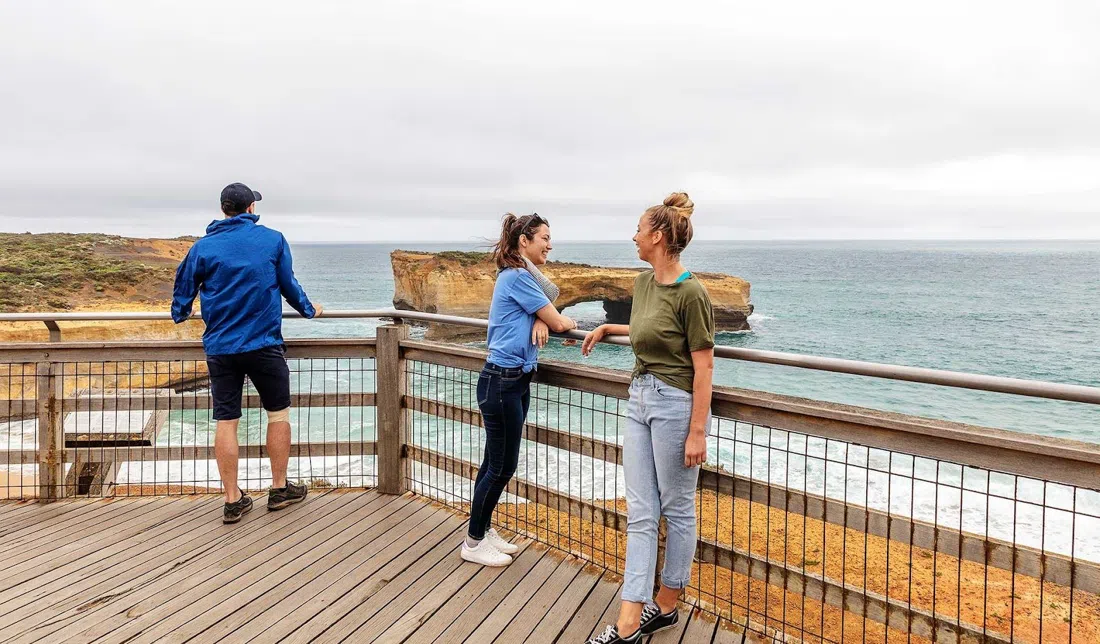
Last stop, London Bridge & The Grotto near Port Campbell, free and reached by a short accessible path from the car park that suits any group size. London Bridge itself collapsed without warning in 1990, stranding two tourists on the newly created island until a helicopter lifted them off — a story that turns the pretty photograph into a genuine cautionary tale about a coast that is actively, currently, still eating the road's engineering. The Grotto next door, a sinkhole that opens onto the ocean, adds a second, quieter visual on the same short walk, and it's the natural place to end the drive: the road's whole engineering saga, collapsing in real time.
Getting There, Timing It, Budgeting It
The drive from Melbourne to Torquay is around 90 minutes by car, and Torquay to the Twelve Apostles is a further two-and-a-half to three hours depending on stops — treat this as a full day at minimum, or better, an overnight so you're not rushing the shipwreck coast in fading light. There's no train down the Great Ocean Road itself; a self-drive or a small-group tour bus from Melbourne is the only realistic way to string all of these together in one trip. Cash is rarely needed — card and tap payment are standard at every venue listed here, though it's worth carrying some cash for smaller cafes along the way. Budget roughly AUD 150–250 per person for a full day covering a surf lesson or lighthouse tour, a couple of food stops, and fuel, more if you add the Otway Fly's zipline package or a distillery tasting. Base yourself in Melbourne before or after — a Melbourne hotel search will sort accommodation for either end of the drive, and the full Melbourne guide covers what to do with the rest of your time in the city. Go early if you want the Twelve Apostles without the mid-morning coach crush, and always check the Cape Otway and Loch Ard restriction notices before you leave, since heritage and remediation works on this coast tend to run longer than first announced.